Plastic-Free Cellulose Tape:Material Structure and Degradation in Sustainable Packaging
Learn how plastic-free cellulose tape works, including material structure, compostability standards, degradation performance, and packaging applications.
Important Notice: cellophanefilm.com has been retired. This is the new official domain for SHAOXING KEDE NEW MATERIAL CO.,LTD. Dismiss

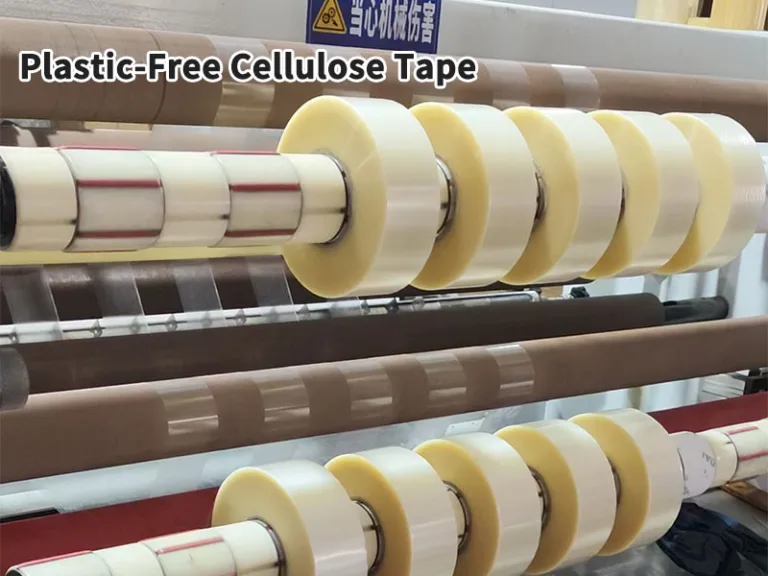
Learn how plastic-free cellulose tape works, including material structure, compostability standards, degradation performance, and packaging applications.
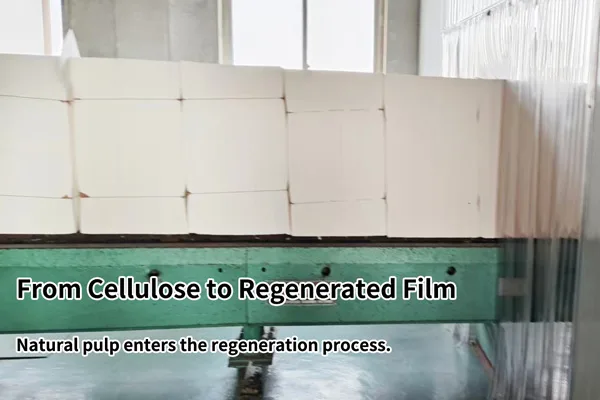
“Regenerated” in regenerated cellulose film does not mean recycled material. It refers to the process where natural cellulose is dissolved and rebuilt into a continuous film structure. This article explains the meaning of regenerated cellulose and why the term remains important in the cellulose film industry.
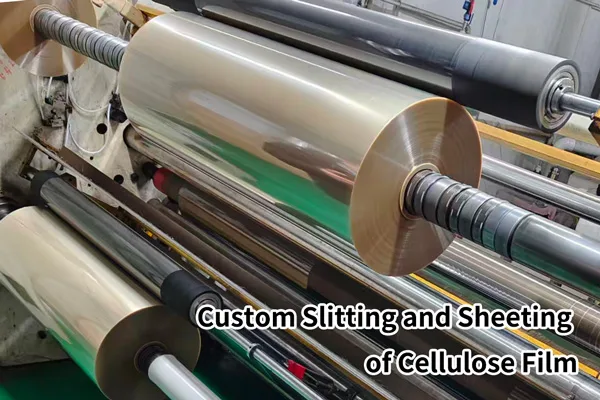
Custom slitting and sheeting of cellulose film from jumbo rolls to precise formats. Ensures stable performance for industrial packaging and converting applications.
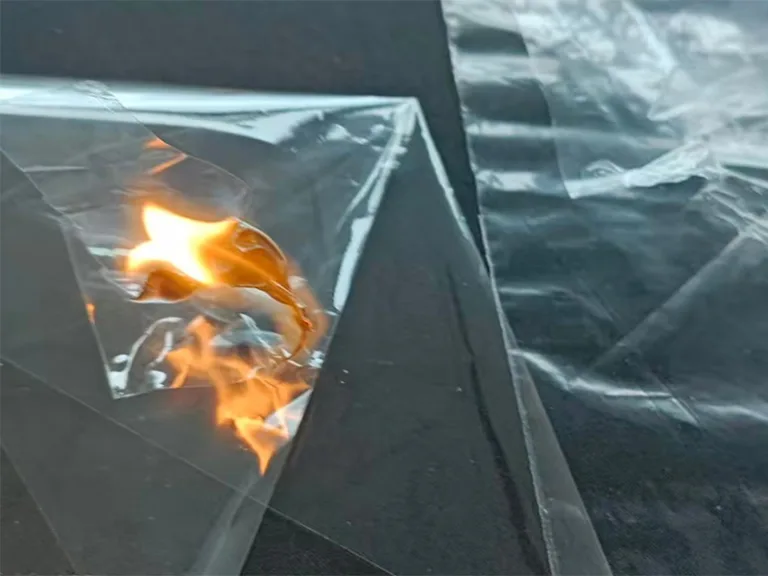
Introduction In the global packaging market, the term “cellophane” is often used loosely to describe various transparent films, including BOPP or PET. In some regional markets, informal terms based on appearance or feel are occasionally used to describe cellulose film. These naming variations are not technically accurate, but reflect how…
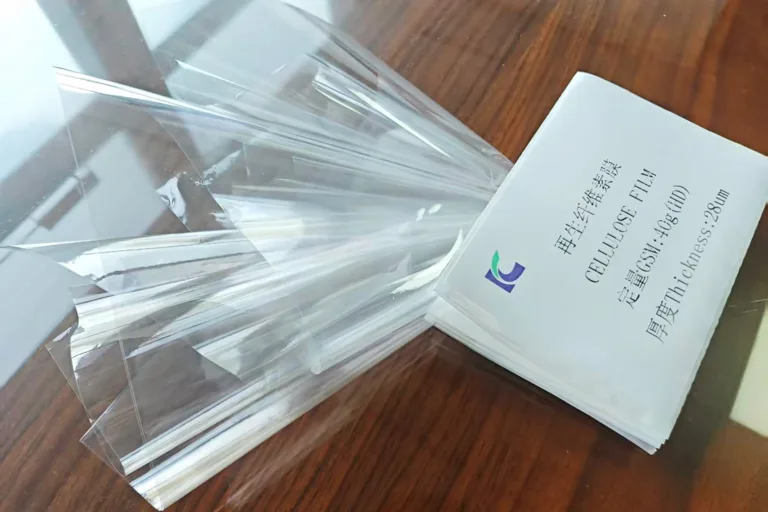
“Cellophane” is often used for plastic films, but real cellophane is regenerated cellulose film. Learn why professional buyers increasingly specify cellulose film for packaging, spandex winding, and compostable applications.
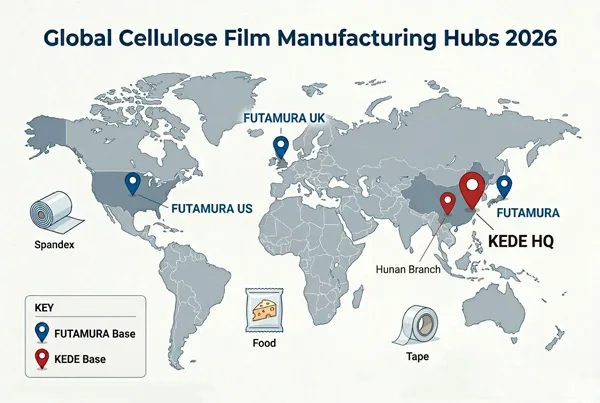
Seeking a reliable cellulose film supply chain? Explore our 2026 industry report on major producers. Compare KEDE’s Shaoxing & Hunan capacity with global giants to find the best balance of quality and scale.
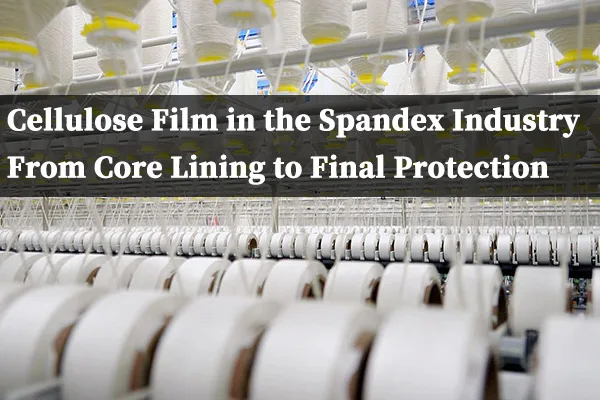
For decades, regenerated cellulose film has been widely used as a liner material in spandex winding. While sustainability is receiving more attention today, its adoption in the spandex industry originally came from process requirements rather than environmental considerations. Heat resistance, low static behavior, and stable unwinding performance continue to make…
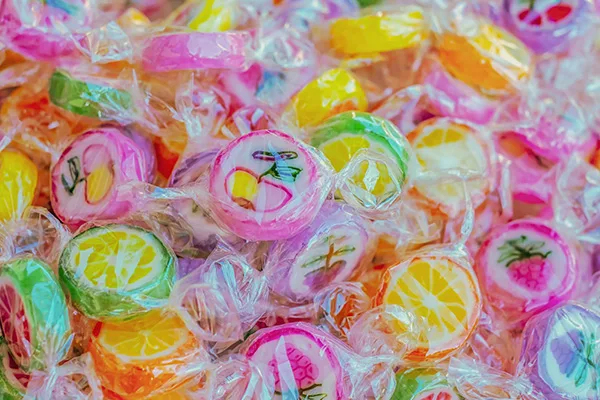
As packaging design continuously evolves, the classic twist-tie structure remains an essential feature in the industry. With its design of two twisted ends, forming a butterfly-like shape, it offers a unique visual appeal while giving candy a natural, premium aesthetic. Achieving this packaging design requires a key material property: the…

A Practical Guide to Packaging Material Transition Why Traditional Laminated Films Still Dominate High-Performance Packaging Traditional plastic laminates remain the default choice in many packaging systems. Their strength lies in stacking performance limits. By combining PET, aluminum foil, and PE, laminated films approach near-zero oxygen and moisture transmission. They also…
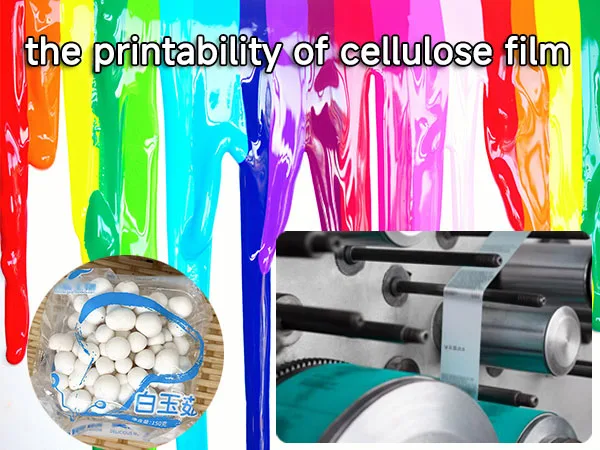
Why Printing Is Essential in Modern Packaging Films Printing gives packaging its ability to communicate. Without printing, materials remain silent. In modern packaging, printing delivers brand information and product details. It also shapes the consumer’s first impression at the shelf. This makes print compatibility a critical material property. It affects…