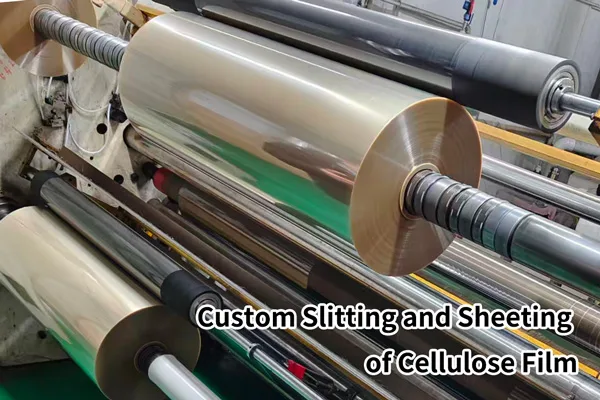
From Jumbo Rolls to Precision Delivery: Custom Slitting and Sheeting of Cellulose Film
Understanding Converting in Real Production
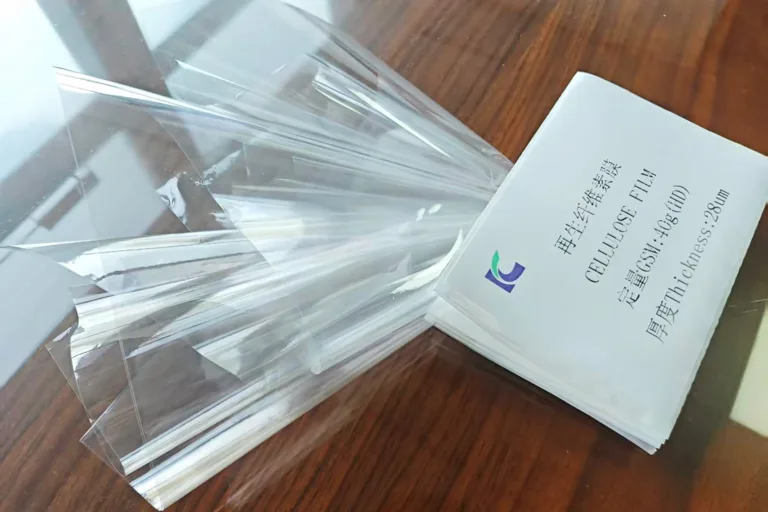
Cellulose film is rarely used directly in its jumbo roll form. In most industrial applications, it must be converted into specific widths or sheet sizes before entering packaging or downstream processing.
With extensive manufacturing experience, KEDE focuses on converting high-quality jumbo rolls into formats that match real production requirements. Whether the application involves high-speed automated lines or manual handling, the accuracy of slitting and sheeting directly affects efficiency, stability, and material performance.
Precision Slitting for Continuous Processing
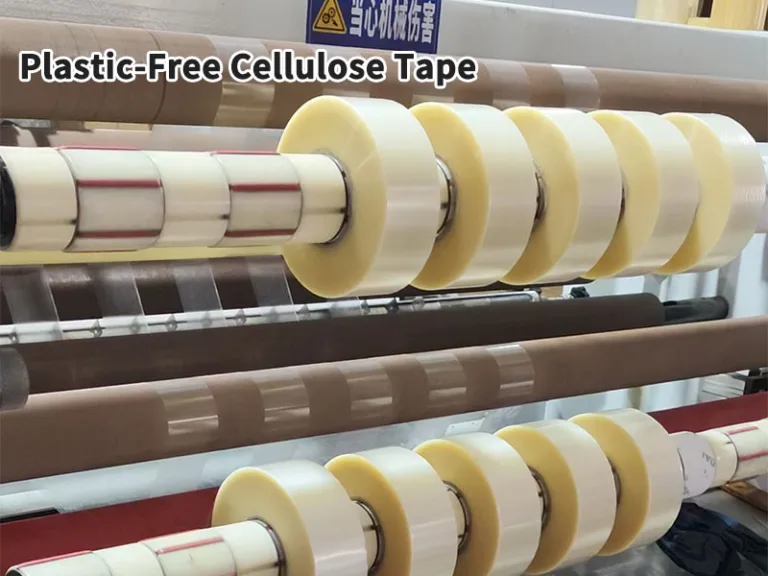
In industries such as food packaging, tobacco, and adhesive tapes, film is typically supplied in reel form for continuous operation.
Jumbo rolls are produced at an original width of approximately 2 meters. To maintain edge integrity, both sides are trimmed during processing, resulting in a maximum effective width of 1.8 meters. Within this range, the film can be slit into customized widths, from narrow tape rolls to wider packaging formats.
During slitting, tension control plays a critical role. Stable winding ensures that the film does not deform or shift during high-speed unwinding. Clean edges also reduce the risk of tracking deviation or breakage when the material is loaded onto automated equipment.
Sheeting with Controlled Flatness and Accuracy
For applications that require sheet formats, consistency across each stack becomes essential.
The process begins with controlled winding. The film is first rolled onto a precision shaft for a defined number of rotations, forming a multi-layer structure under uniform tension. This step helps maintain flatness and alignment before cutting.
Once the desired thickness is reached, a transverse cut converts the continuous roll into a stacked format. The stack is then transferred to a heavy-duty guillotine for final trimming.
Cellulose film behaves similarly to paper; as a biodegradable cellulose film, its moisture content directly affects flatness. This allows clean cutting with minimal dimensional deviation, producing sheets with sharp edges and stable geometry.
Finished sheets are typically packed in reams of 480 to 500 pieces. Due to the material’s low static tendency, sheets separate easily during use, which improves handling efficiency in downstream operations.
Process Stability and Environmental Control
Beyond cutting accuracy, environmental control plays a key role in maintaining film performance.
After production, jumbo rolls are placed in a controlled storage environment. This conditioning period allows internal stress within the film to stabilize, reducing the risk of curling or dimensional changes during conversion.
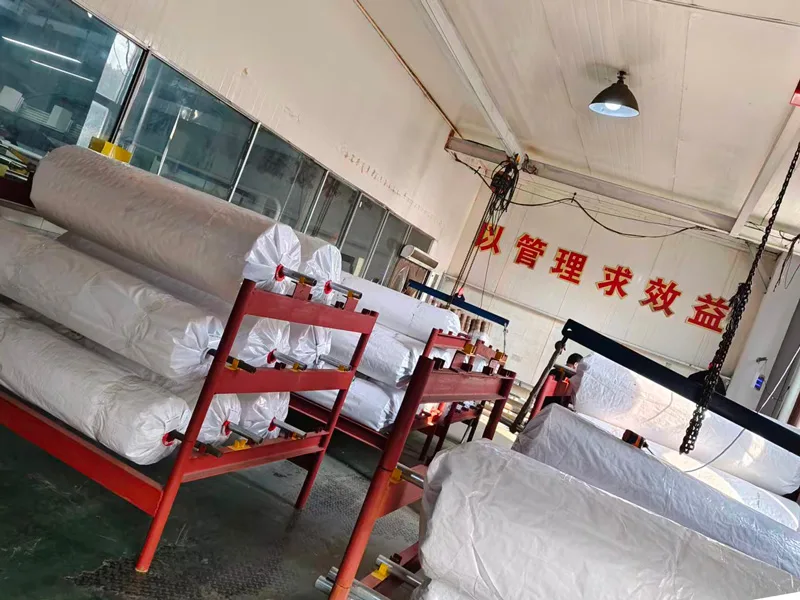
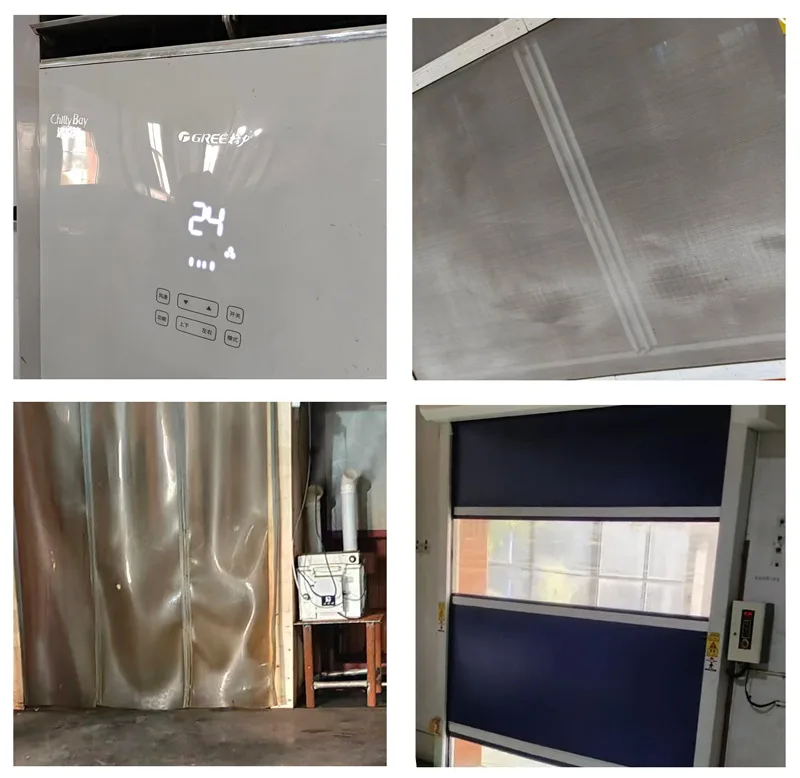
Both temperature and humidity management are equally critical. Cellulose film responds to environmental changes in a similar way to paper. Fluctuations in temperature can alter the material’s internal stress, while moisture levels directly impact its flexibility and flatness. A strictly controlled climate in the workshop ensures the film maintains consistent behavior and structural stability throughout the processing stages.
Surface cleanliness is also managed through physical barriers and controlled entry points. Combined with the material’s naturally low static properties, this reduces the likelihood of dust contamination during converting.
Converting as Part of Material Performance
Slitting and sheeting are not just mechanical steps. They directly influence how cellulose film performs in real applications.
Accurate width control supports stable machine feeding. Clean edges reduce operational interruptions. Properly conditioned material improves consistency during packaging or further processing.
From jumbo roll to final format, each stage of converting contributes to the overall reliability of the material in use.