How to Tell Real Cellophane from Plastic Film: 5 Practical Identification Tests
Introduction
In the global packaging market, the term “cellophane” is often used loosely to describe various transparent films, including BOPP or PET. In some regional markets, informal terms based on appearance or feel are occasionally used to describe cellulose film. These naming variations are not technically accurate, but reflect how the material is perceived rather than its actual composition.
For B2B buyers in industries such as food, tobacco, and medical packaging, confusing plastic film with genuine cellulose film can lead to process instability, material mismatch, and sustainability risks.
In professional sourcing, material identification often starts with simple physical checks. Below are five practical ways to distinguish real cellophane from common plastic alternatives.

1. The Dead-fold Test (Mechanical Behavior)
This is one of the most recognizable differences between cellulose film and plastic film.
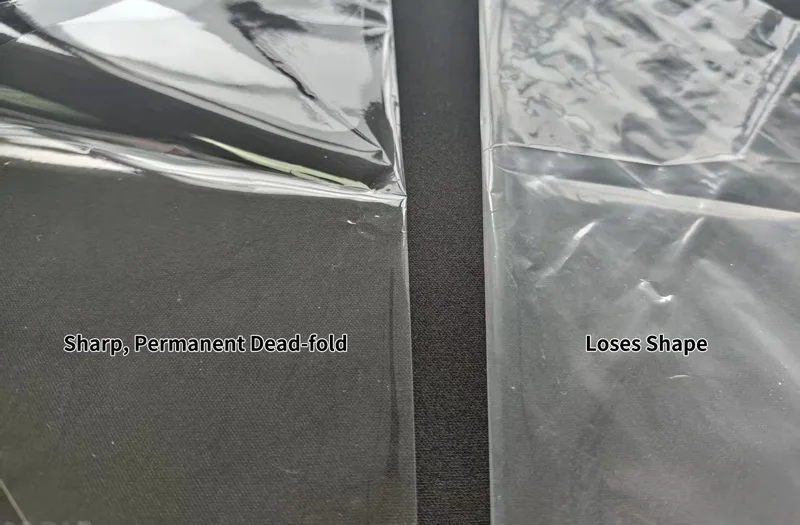
The Test: Fold a sheet of the film firmly and press along the crease.
The Result: Cellulose film typically maintains the crease with minimal rebound. This “dead-fold” behavior makes it suitable for twist-wrapping and premium packaging applications. In contrast, most plastic films tend to spring back or form a rounded fold rather than a sharp crease.
2. The Sound & Texture Test
Material structure often reveals itself through touch and sound.
The Test: Crumple a sample lightly near your ear.
The Result: Cellulose film produces a relatively sharp, crisp sound and has a firmer, paper-like feel. This characteristic is also valued in decorative and specialty packaging applications. Plastic films tend to feel softer and generate a more muted sound.
3. The Static Behavior Test
Static control is important in many converting and packaging processes.
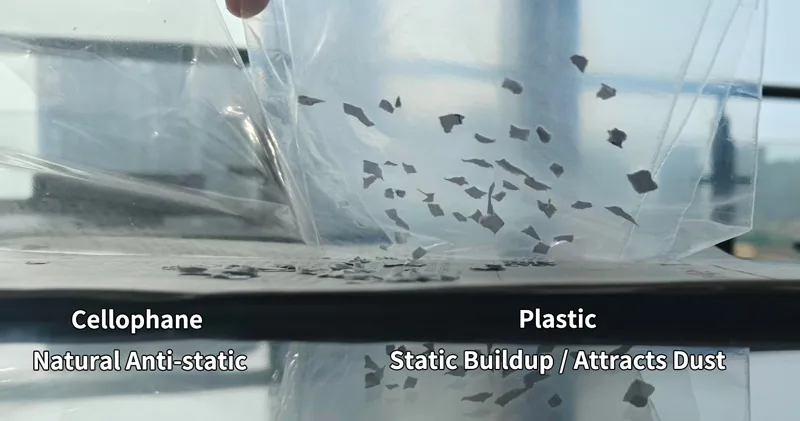
The Test: Rub the film against your hand or another surface in a dry environment.
The Result: Cellulose film generally shows low static tendency and does not cling easily. Many plastic films may attract dust or stick due to static charge, especially in dry conditions, which can affect high-speed production line performance.
4. The Tear Test
Tear behavior reflects structural differences in the material.
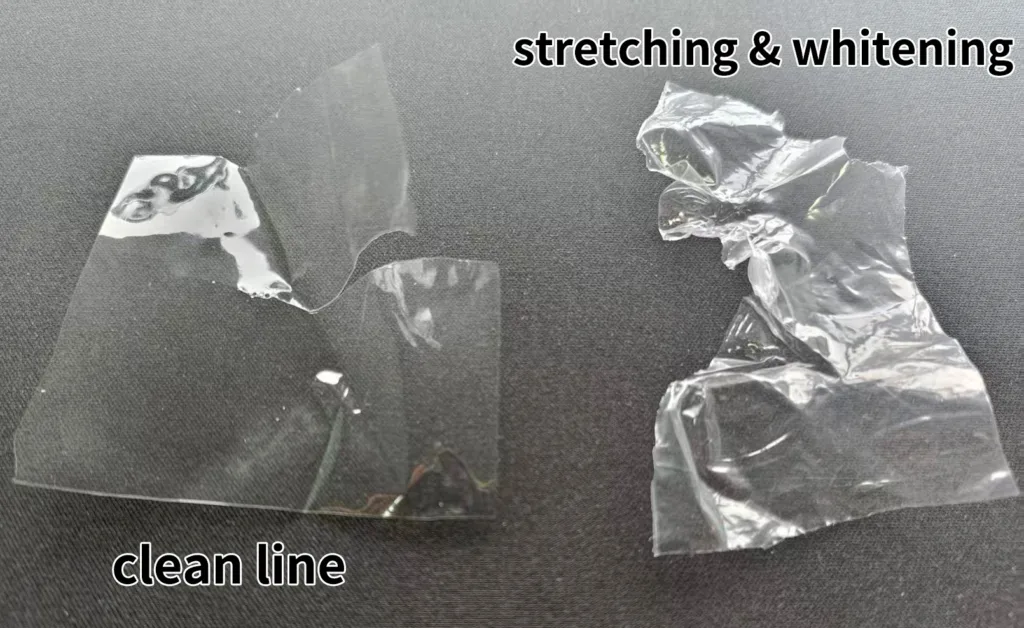
The Test: Try tearing the film from the edge.
The Result: Cellulose film typically tears more easily and along a cleaner line, similar to paper. Plastic films usually stretch, deform, or whiten at the edge before breaking.
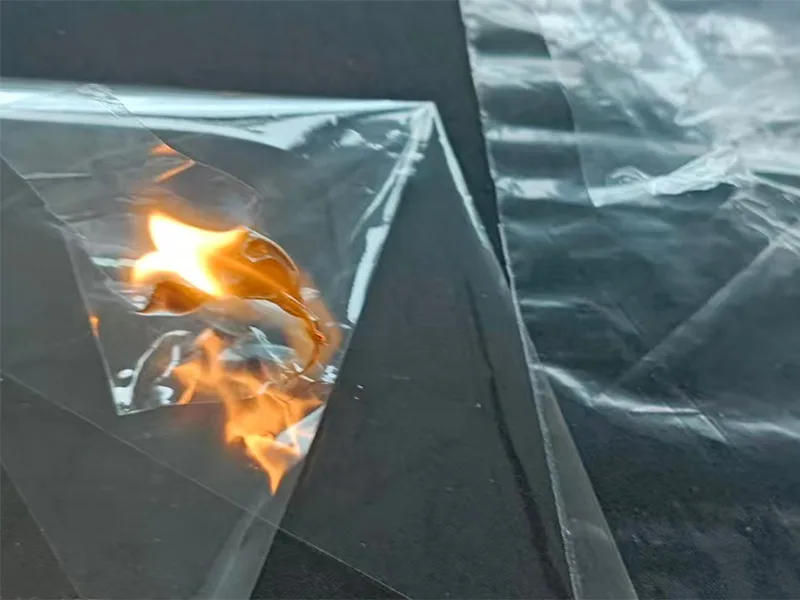
5. The Burn Test (Controlled Check)
If further confirmation is needed, a controlled burn test can provide additional indication.
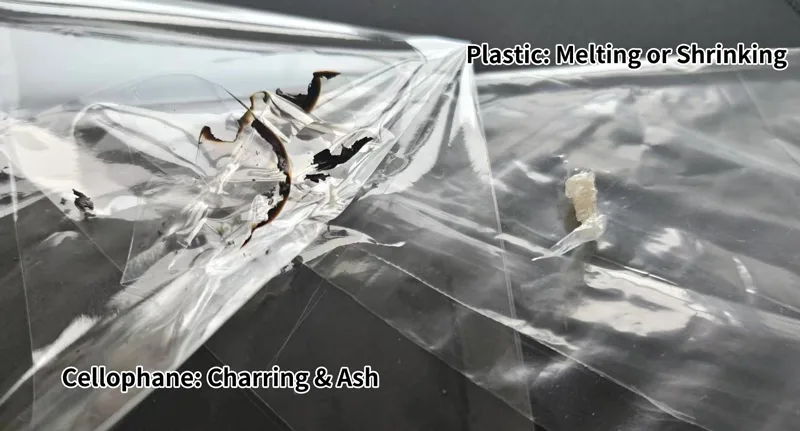
The Test: Carefully ignite a small corner of the film under safe and controlled conditions.
The Result: Regenerated cellulose film burns in a manner similar to paper. It does not melt or shrink away from the flame; instead, it maintains its shape while charring. It produces a mild, wood-like odor and leaves behind sparse, fragile black ash flakes that crumble instantly when touched. Most plastic films tend to melt, shrink, and form hardened beads, often accompanied by a stronger chemical odor.
Why It Matters for B2B Sourcing
For industrial users, the difference is not just about material type, but how the film behaves during processing.
Properties such as twist retention, heat response, and static behavior directly influence packaging efficiency, product protection, and downstream handling. Using the correct material helps reduce process risk and ensures more stable performance across applications.
About Supply
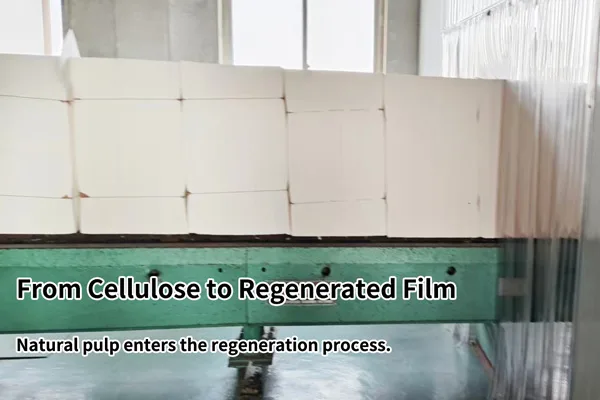
Cellulose film is typically supplied in jumbo rolls or precision-cut sheets for industrial converting and packaging applications. Consistent base material quality is essential for downstream processing, especially in high-speed production environments where technical reliability is critical.