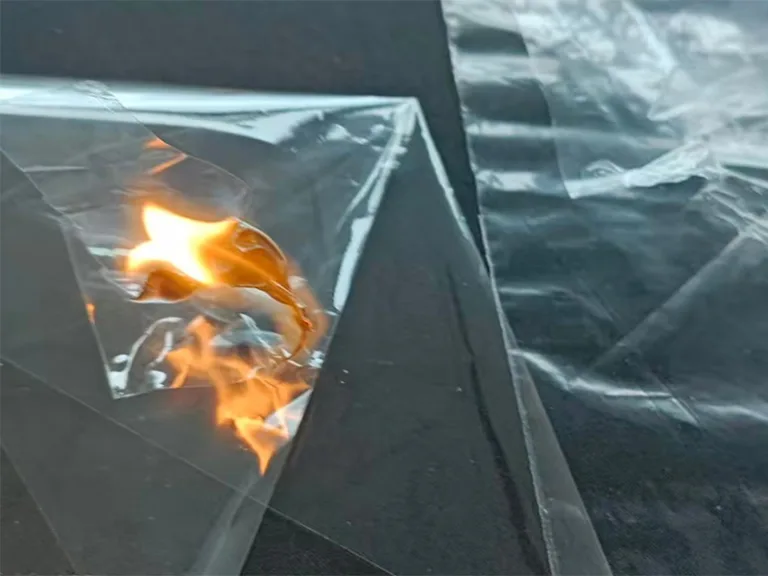
cellophane burn test

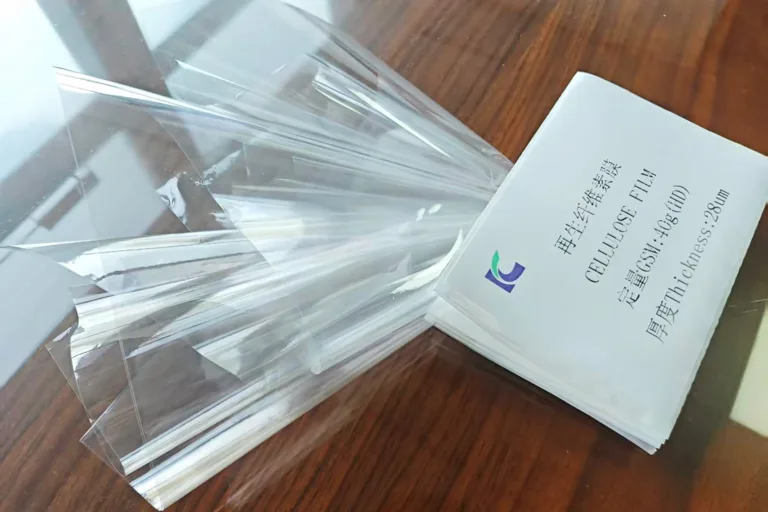
How to Tell Real Cellophane from Plastic Film: 5 Practical Identification Tests

Introduction In the global packaging market, the term “cellophane” is often used loosely to describe various transparent films, including BOPP or PET. In some regional markets, informal terms based on appearance or feel are occasionally used to describe cellulose film. These naming variations are not technically accurate, but reflect how…

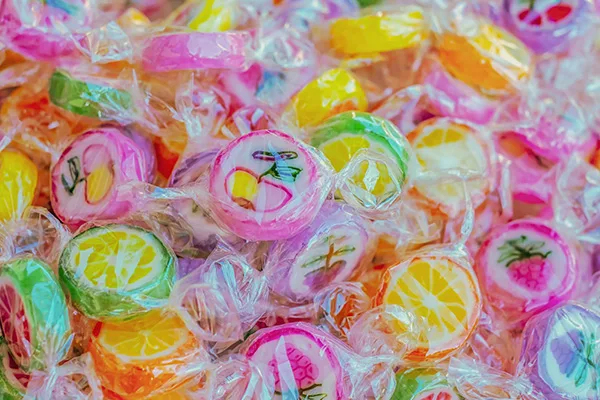
Twist Candy Wrap

The Art and Science of Twist Tying: Why It’s the Golden Standard in Candy Packaging

As packaging design continuously evolves, the classic twist-tie structure remains an essential feature in the industry. With its design of two twisted ends, forming a butterfly-like shape, it offers a unique visual appeal while giving candy a natural, premium aesthetic. Achieving this packaging design requires a key material property: the…

Single-Material Films or Traditional Laminates

Single-Material Films or Traditional Laminates?

A Practical Guide to Packaging Material Transition Why Traditional Laminated Films Still Dominate High-Performance Packaging Traditional plastic laminates remain the default choice in many packaging systems. Their strength lies in stacking performance limits. By combining PET, aluminum foil, and PE, laminated films approach near-zero oxygen and moisture transmission. They also…

The printability of cellulose

Printing Performance in Sustainable Cellulose Film Packaging

Why Printing Is Essential in Modern Packaging Films Printing gives packaging its ability to communicate. Without printing, materials remain silent. In modern packaging, printing delivers brand information and product details. It also shapes the consumer’s first impression at the shelf. This makes print compatibility a critical material property. It affects…

heat-sealed packaging

Understanding Heat Sealing: Limits and Solutions for Cellophane Packaging

Heat sealing: A core element in today’s packaging market In modern packaging systems, heat sealing is no longer just a process option, but a crucial step in ensuring packaging integrity, production efficiency, and food safety. Whether in the food, daily chemical, or pharmaceutical industries, stable and controllable heat sealing performance…

Global Plastic Ban

Global Plastic Ban Transition: How Natural Cellulose Film Defines the Future of Sustainable Packaging

Since Bangladesh became the first country to ban plastic bags in 2002, more than 130 countries and regions have introduced partial or comprehensive restrictions on plastic usage. This global shift reflects a renewed commitment to protecting our planet and creating a sustainable materials economy. Key Drivers Behind Global Plastic Bans…

How a Wine Spill Inspired the Birth of Cellophane — A Sustainable Packaging Revolution

How a Wine Spill Inspired the Birth of Cellophane — A Sustainable Packaging Revolution

Cellophane’s invention is a story of curiosity, keen observation, and perseverance — an accidental discovery that forever transformed global packaging. 🍷 1908: A Wine Stain and a Flash of Inspiration The story begins in 1908 with Swiss chemist Jacques E. Brandenberger, who was then employed by a French textile company….

Plastic in the ocean

Plastic Alternative Solutions: Embracing a Future of Functionality and Sustainability

In an era of environmental awareness, brands and manufacturers worldwide are rethinking packaging. This article explores key sustainable packaging materials and highlights Natural Cellulose Film as a truly eco-friendly, high-performance solution. The Challenge In today’s world, the reliance on plastic has led to unprecedented environmental challenges, while the demand for…