Where is Cellulose Film Made? A Comprehensive Guide to Global Source Manufacturers
Global Landscape: The Established Leaders
As global sustainability drives a resurgence in cellulose film (cellophane), the industry has formed a dual structure: traditional multinational giants and a robust Chinese manufacturing base.
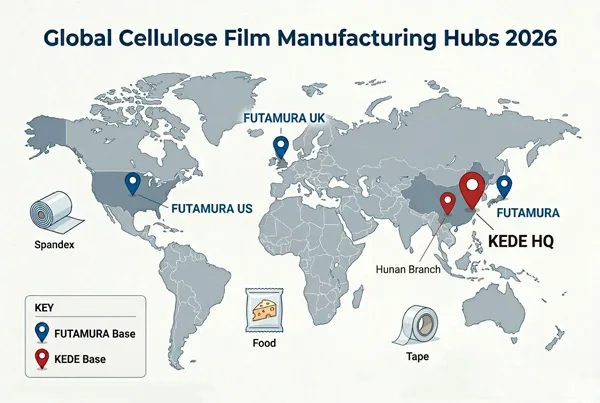
Futamura (Japan) remains the most influential global producer. With manufacturing hubs in Japan, the USA, and the UK (Wigton), Futamura maintains a stable global supply chain. Their NatureFlex™ brand sets the benchmark in high-end compostable packaging.
While DuPont originally invented cellophane, the company exited the production of cellulose film decades ago during global industrial restructuring.
The Role of KEDE in the Global Supply Chain
Chinese manufacturers, led by KEDE, provide essential stability to the global market through high-volume production and technical consistency.
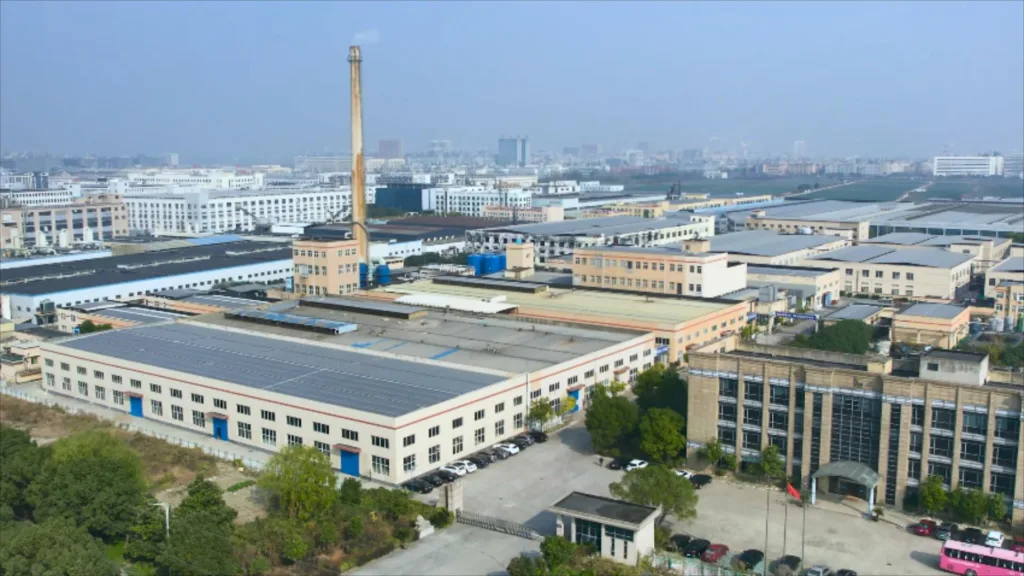
The Shaoxing Headquarters serves as the primary production and management hub. This facility supports both the massive domestic demand in China and the growing requirements of international clients. KEDE focuses on narrowing the brand gap with international leaders by delivering consistent material quality and physical properties.
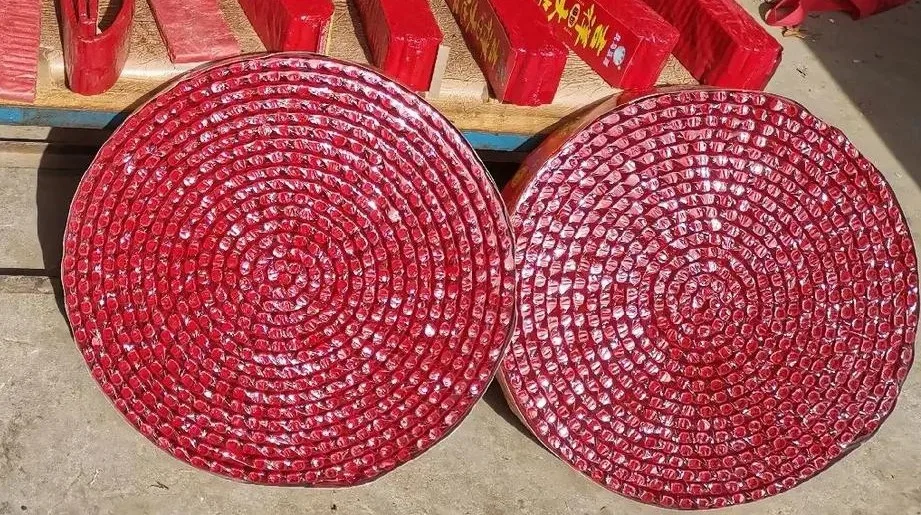
The Hunan Facility provides specialized production capacity. This plant focuses on niche industrial sectors, such as traditional fireworks and pyrotechnics, ensuring high market share and supply flexibility in specific segments.
KEDE’s product range now covers multiple high-performance sectors:
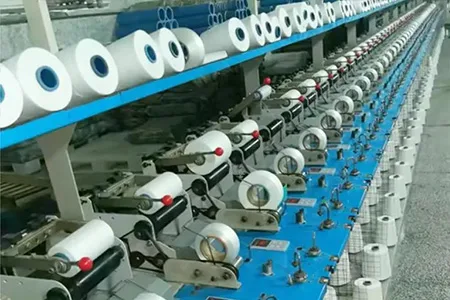
- Industrial Applications: Our base film is a standard in Spandex Winding. As a foundational material for the textile supply chain, it maintains industry-leading stability.
- Food Packaging: We provide specialized solutions for sausage casings and cheese packaging and beyond.
- Green Stationery: Our films serve as the substrate for Cellulose Tape, supporting plastic-free consumer goods.




Industry Concentration: The Scarcity of Primary Manufacturers
The production of regenerated cellulose film is highly concentrated. True primary manufacturers—those with full chemical processing and film-forming capabilities—are rare. These are primarily limited to Futamura and leading Chinese firms like KEDE and Shandong Henglian. High environmental entry barriers and deep technical requirements drive this concentration.
Outside of these leaders, other suppliers generally fall into two categories:
- Consistency Challenges: Producers in India, Brazil, or regional Chinese areas often struggle with process stability. Inconsistent film thickness or fluctuating physical properties make these materials difficult to use for long-term, high-precision industrial packaging.
- Conversion vs. Production: Many “suppliers” in Southeast Asia and Europe are converters. They perform slitting, printing, or laminating but do not manufacture the base film. Genuine source supply remains in the hands of a few factories with integrated chemical manufacturing.
Strategic Outlook
The global cellulose film industry has entered a period of functional division. While Futamura leads in high-end R&D and brand positioning, practical manufacturers like KEDE provide the massive capacity and application expertise required for a resilient global supply chain.