Global Plastic Ban

Global Plastic Ban Transition: How Natural Cellulose Film Defines the Future of Sustainable Packaging

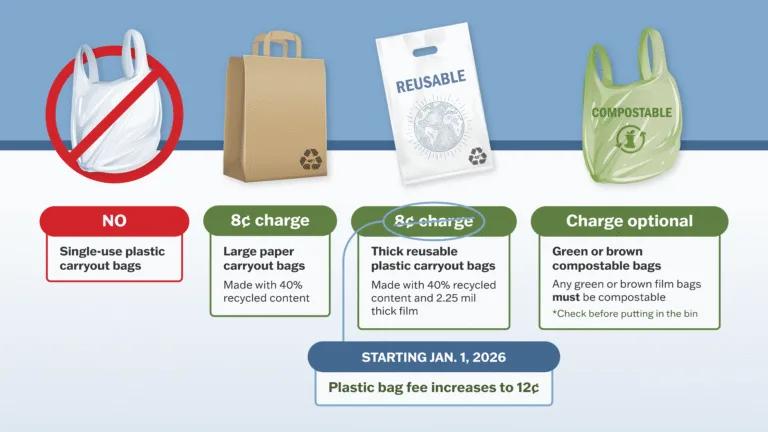
Since Bangladesh became the first country to ban plastic bags in 2002, more than 130 countries and regions have introduced partial or comprehensive restrictions on plastic usage. What began as restrictions on plastic shopping bags has gradually expanded into broader packaging regulations. Today, many governments are evaluating how packaging materials…

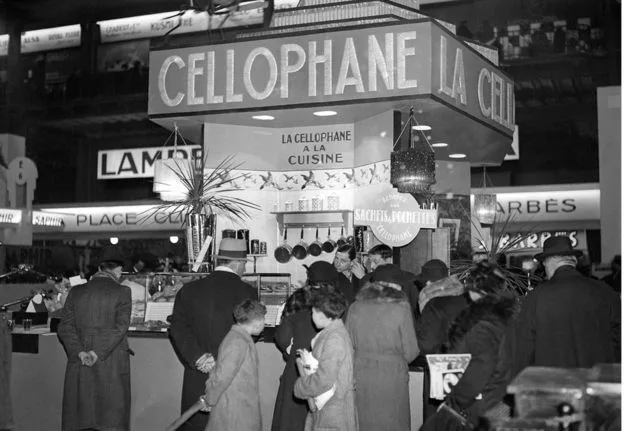
How a Wine Spill Inspired the Birth of Cellophane — A Sustainable Packaging Revolution

How a Wine Spill Inspired the Birth of Cellophane — A Sustainable Packaging Revolution

Cellophane’s invention is a story of curiosity, keen observation, and perseverance — an accidental discovery that forever transformed global packaging. 🍷 1908: A Wine Stain and a Flash of Inspiration The story begins in 1908 with Swiss chemist Jacques E. Brandenberger, who was then employed by a French textile company….

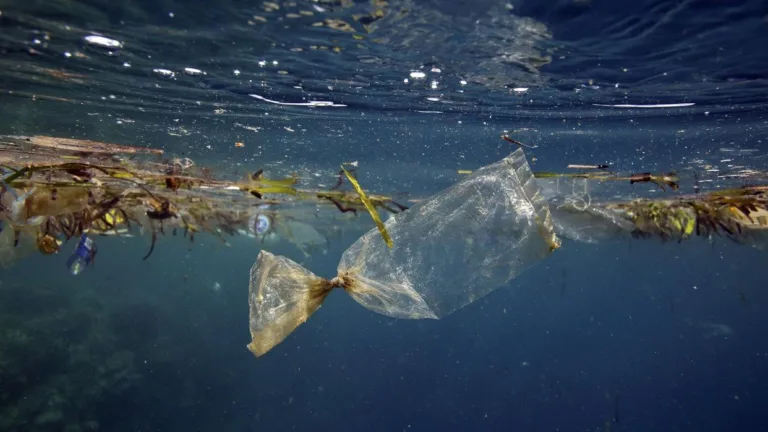
Plastic in the ocean

Plastic Alternative Solutions: Embracing a Future of Functionality and Sustainability

In an era of environmental awareness, brands and manufacturers worldwide are rethinking packaging. This article explores key sustainable packaging materials and highlights Natural Cellulose Film as a truly eco-friendly, high-performance solution. The Challenge In today’s world, the reliance on plastic has led to unprecedented environmental challenges, while the demand for…

Sustainable

Sustainable Packaging Materials: PLA, PBAT, PHA, and Cellulose Film

Introduction Sustainable packaging minimizes environmental impact throughout a product’s lifecycle—from production to disposal. It goes beyond “eco-friendly materials,” covering design, material selection, manufacturing, usage, and end-of-life management. The 4R principle—Reduce, Reuse, Recycle, and Recover/Compostable—is often referenced to guide packaging decisions. It is not mandatory, but helps businesses choose the right…

Anti-static

Natural Cellulose Film: The Perfect Union of Static Protection and Sustainable Packaging

Static-safe • Compostable • Crystal-clear   Permanent, inherent static dissipation—without additives or metal coatings—paired with true end‑of‑life sustainability. Hero image: static safety + sustainability. Why static matters—and why traditional fixes fall short In today’s digital world, static protection is mission‑critical. From sensitive electronic components to premium consumer goods, uncontrolled static…

Compostable

Compostable vs Biodegradable Packaging: What’s the Real Difference?

In packaging discussions, the terms “biodegradable” and “compostable” are often used interchangeably. However, they do not always describe the same material behavior. For packaging buyers and converters, the difference also affects material selection and disposal requirements. It also affects material selection, disposal conditions, and certification requirements. This is especially important…

Natural Cellulose Film – Sustainable Packaging for the Future

Natural Cellulose Film – Sustainable Packaging for the Future

Introduction As environmental awareness grows, the packaging industry faces increasing pressure to reduce its reliance on conventional plastics. Consumers, brands, and regulators are seeking alternatives that deliver performance while minimizing environmental impact. This demand has given rise to a new generation of biodegradable natural materials, such as biodegradable cellulose packaging…