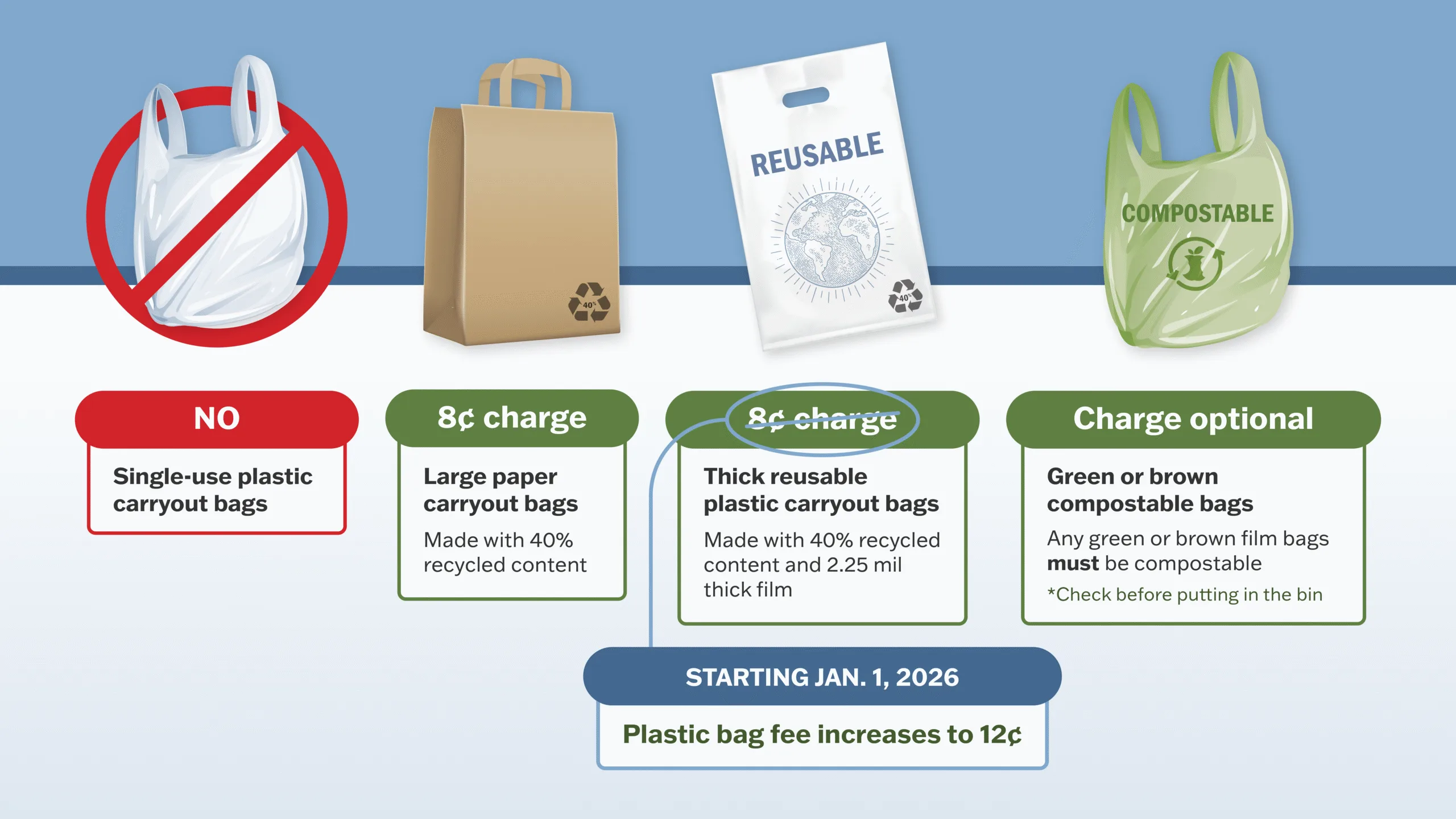
Global Plastic Ban Transition: How Natural Cellulose Film Defines the Future of Sustainable Packaging
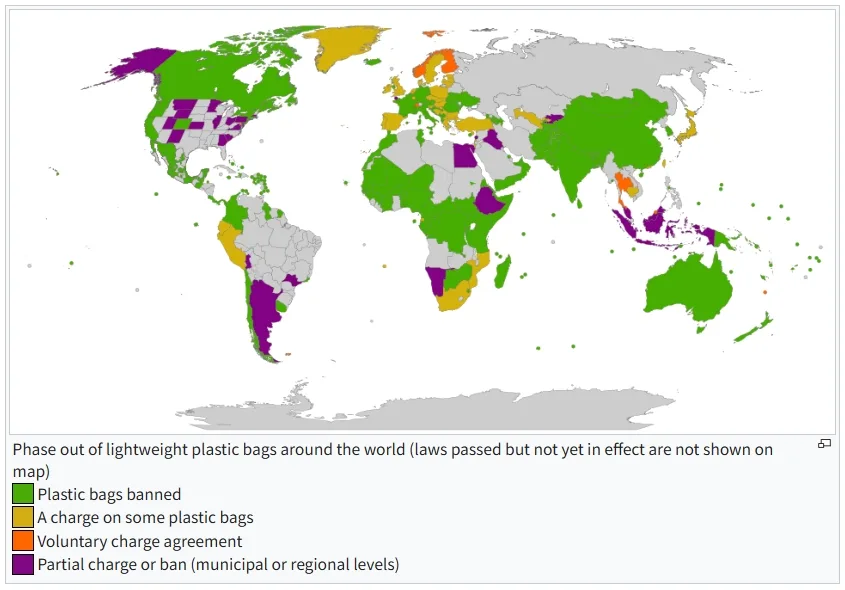
Policy Trends and Compliance Opportunities
Plastic regulations are no longer limited to consumption bans—they are now reshaping entire supply chains. This creates strategic opportunities for bio-based, high-performance materials like natural cellulose film.
1. Policy Focus: Phasing Out “Low-Value, High-Pollution” Plastics
Governments are now targeting thin, single-use plastic products such as straws, cutlery, takeaway containers, and shrink wraps, which have low recycling value and high environmental leakage.
Cellulose Film Advantage: Derived from renewable plant cellulose, this transparent, flexible material combines clarity, printability, sealability, and anti-static performance, making it an ideal replacement for polypropylene and PVC in regulated applications.
Key Applications: Food packaging, wrapping films, labels, gift wrapping, adhesive tape base films, and medical-grade packaging.

Beyond regulatory compliance, cellulose film allows brands to maintain strong visual appeal and product integrity in the age of sustainability.
2. Supply Chain Integrity: Avoiding “False Degradable” Materials
Modern plastic bans now address not only end-of-life disposal but also material authenticity. Jurisdictions such as the EU and California have explicitly prohibited so-called “oxo-degradable” plastics that fragment rather than biodegrade, while introducing Extended Producer Responsibility (EPR) systems.
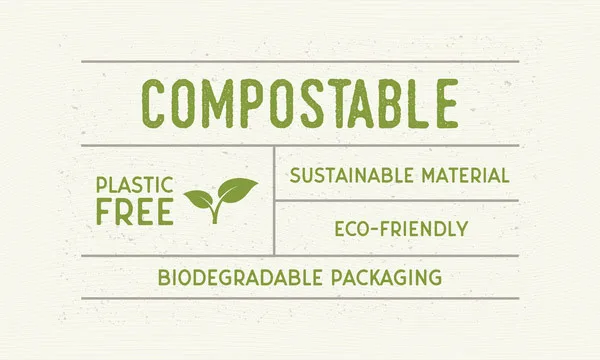
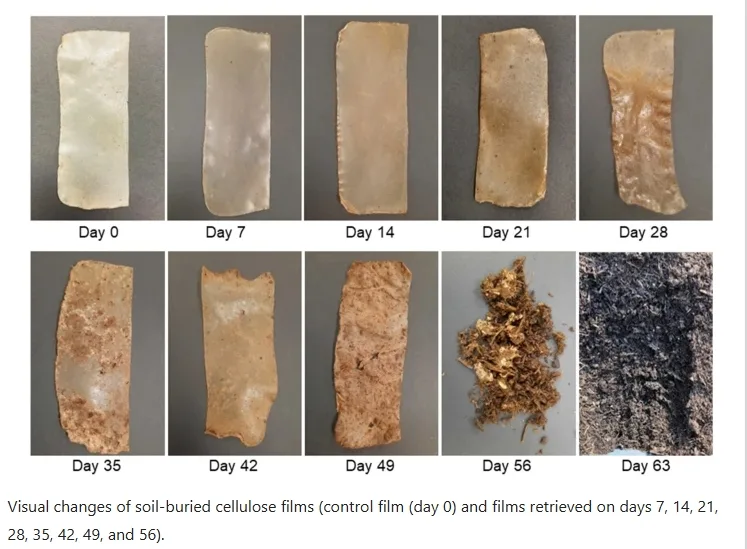
Why Cellulose Film Stands Out: Made from 100% natural cellulose, it is fully compostable and free from fossil-based ingredients. Under industrial or home composting conditions, it biodegrades completely into CO₂, water, and biomass—without generating microplastics.
Regulatory Compatibility: Cellulose film meets EN13432, ASTM D6400, and GB/T 41010 compostability standards, making it a truly plant-based packaging solution trusted by eco-conscious brands worldwide.
By adopting cellulose-based films, manufacturers can avoid compliance risks linked to pseudo-degradable plastics and strengthen their sustainability credentials.
3. Regional Drivers: Addressing Plastic Pollution in Developing Economies
In many developing and coastal regions, weak recycling infrastructure exacerbates the single-use plastics crisis. Materials that can naturally degrade are essential in these contexts.
Cellulose Film Advantage in Emerging Markets: Its rapid biodegradation allows it to safely return to nature within weeks or months—without the need for special treatment facilities. This makes it ideal for use in global aid programs, sustainable food packaging, and eco initiatives in regions lacking formal waste management systems.
Challenges and Our Commitment: Turning Pressure into Opportunity
Despite global momentum, plastic bans present real challenges—economic impacts, enforcement inconsistencies, and a shortage of cost-effective, high-performance alternatives.
SHAOXING KEDE NEW MATERIAL CO.,LTD. is committed to empowering this transition through innovation and responsibility. As a professional manufacturer of natural cellulose films, we deliver both performance and sustainability across industries.
Our product portfolio includes cellulose film rolls and sheets, colored films, coated films, specialty tape-grade films, and plant-based adhesive tapes—offering a comprehensive solution for brands seeking to meet environmental regulations without compromising function or quality.
We believe true sustainability is not just substitution—it’s innovation built on responsibility.

 Contact Us
 Contact Us
For more information or customized sustainable packaging solutions, please reach out to us:
Email: kede@selofanfilm.com
Website: selofanfilm.com
Phone: +86-151-6756-6359
TEL: +86-575-8574-9268
Tagline: “From Nature to Future — Redefining Sustainable Packaging.”