Compostable vs Biodegradable Packaging: What’s the Real Difference?
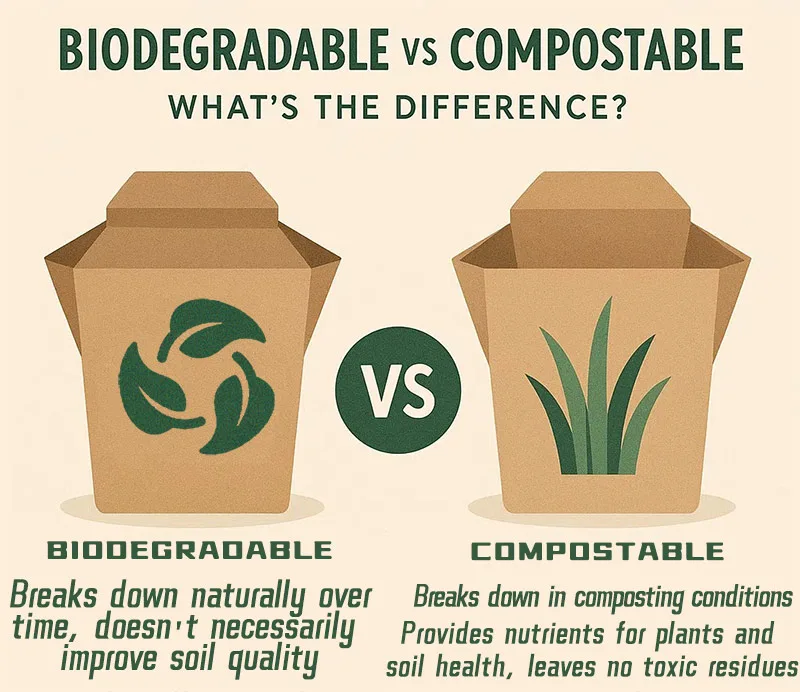
In packaging discussions, the terms “biodegradable” and “compostable” are often used interchangeably.
However, they do not always describe the same material behavior.
For packaging buyers and converters, the difference also affects material selection and disposal requirements. It also affects material selection, disposal conditions, and certification requirements.
This is especially important when evaluating cellulose film and other plant-based packaging materials.
1. What Does “Biodegradable” Mean?
At first glance, “biodegradable” sounds straightforward.
But in practice, the term can cover very different material systems.
A biodegradable material can break down through microbial activity over time. However, the word itself does not explain how long the process takes, what conditions are required, or whether residue remains afterward.
Some materials degrade only under industrial composting conditions. Others may decompose much more slowly in natural environments.
Because of this, the term “biodegradable” alone is often not enough in packaging specifications.
2. What Does “Compostable” Mean?
Compared with “biodegradable,” “compostable” usually refers to a more controlled standard.
In most cases, compostable materials must meet specific requirements related to:
- degradation timeframe
- disintegration behavior
- residue control
- composting conditions
This is why compostable packaging materials often require certifications such as:
- EN 13432
- ASTM D6400
For packaging applications, these standards help clarify disposal expectations and material performance.
3. Why Compostable Is More Specific
Compostable products are a subset of biodegradable materials. This means:
- Every compostable product is biodegradable.
- But not all biodegradable products are compostable.
Compostable certification standards do not only evaluate whether a material can break down.
They also examine whether harmful residue remains after decomposition.
In many compostability tests, the material must meet limits for heavy metals, support normal plant growth, and avoid long-term ecotoxic effects in soil environments.
Some standards also evaluate seed germination performance and soil organism compatibility after composting.
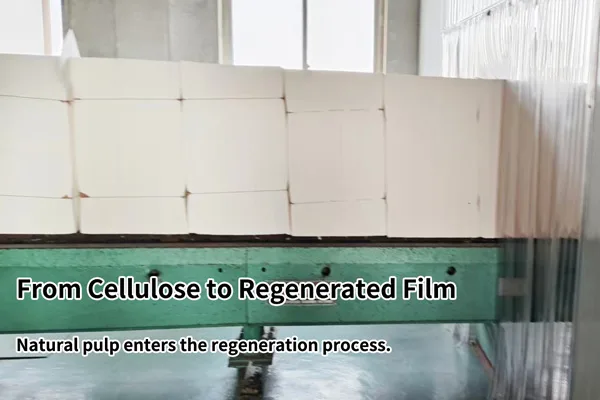
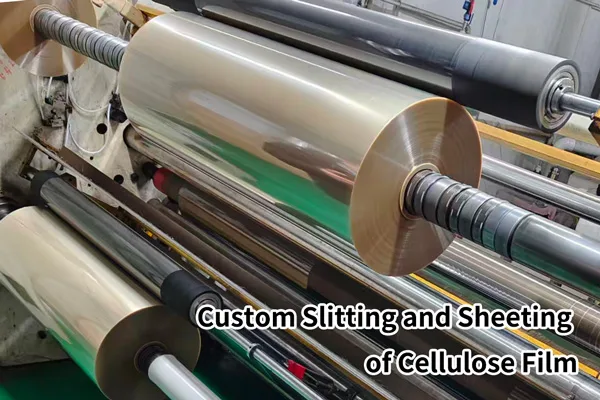
For regenerated cellulose film, the cellulose-based structure allows the material to meet compostable packaging requirements under suitable composting conditions.
Example: Compostable cellulose film made from wood pulp can break down under suitable composting conditions without forming persistent plastic residue.
4. Common Materials Used in Compostable Packaging
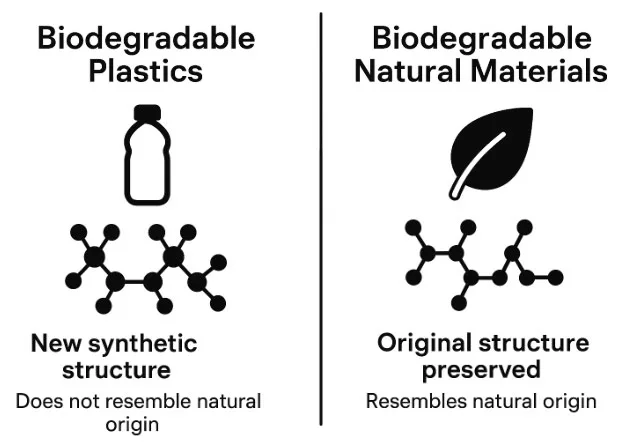
To achieve both performance and sustainability, compostable materials are preferred over generic biodegradable plastics. Common options include:
- Natural Cellulose Film (transparent, plant-based, food-safe)
- Paper & Cardboard (FSC-certified)
- Seaweed-based Films
- Mushroom-based Packaging
- Bagasse (sugarcane fiber)
These materials fully break down without leaving microplastic pollution.
5. Why Cellulose Film Is Still Used in Packaging
CRegenerated cellulose film is one of the earliest transparent packaging films used in industrial packaging applications. Even after the rise of synthetic plastic films, cellulose film has continued to hold an important position in several packaging sectors.
One reason is that cellulose film combines compostable cellulose structure with material characteristics that are still difficult to fully replace in some applications.
In addition to compostability, cellulose film is also known for its natural anti-static behavior, dead-fold performance, gloss, and breathability.
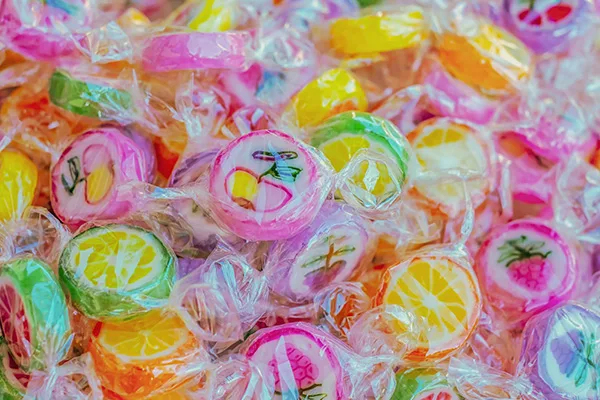
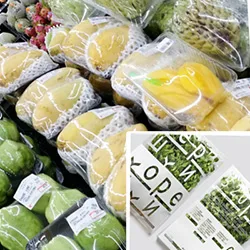
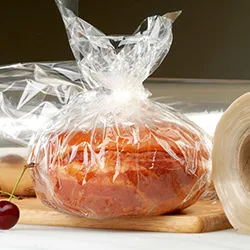
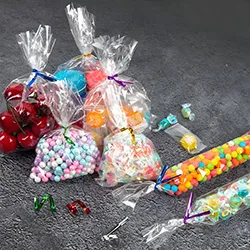
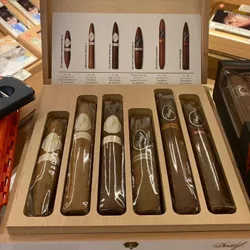
These characteristics make it suitable for applications such as twist wrapping, bakery packaging, tea bags, confectionery packaging, and fresh produce packaging.


6. Conclusion
Although the terms “biodegradable” and “compostable” are often used together, they do not describe the same material behavior.
In packaging applications, disposal conditions, certification standards, and converting performance can all influence material selection.
For cellulose film, compostability is only one part of the discussion. Processing stability and material behavior also remain important in real packaging environments.
ABOUT KEDE
KEDE has specialized in regenerated cellulose film production for nearly 20 years.
The company supplies jumbo roll, flat sheet, coated, and colored cellulose film for packaging and converting applications.
Production management focuses on regeneration stability, film uniformity, humidity control, and downstream processing compatibility.
Company information:
https://selofanfilm.com/about/

Shaoxing KEDE New Material Co., Ltd.
Tel:+86-575-85749268
Factory Address: Jiuyiqiu, Haitu Binhai Industrial Zone, Keqiao, Shaoxing, Zhejiang, China