Natural cellulose films: redefining the safety, freshness, and sustainability of food packaging
The Challenges of Modern Food Packaging
Today’s food manufacturers face increasing pressure on multiple fronts: ensuring food safety, extending shelf life, and meeting growing consumer expectations for eco-friendly packaging. These requirements are no longer optional add-ons, but core criteria in packaging material selection. Packaging materials are expected to deliver both functional reliability and sustainable value.
Although traditional plastic films meet short-term preservation needs, their end-of-life challenges—limited recyclability, persistent waste, and microplastic pollution—are increasingly difficult to ignore. For many brands, this creates growing regulatory, reputational, and compliance risks. As a result, manufacturers are actively seeking packaging alternatives that offer not only functional reliability, but also a credible and verifiable sustainability pathway.

How cellulose film can solve food packaging problems
Against this backdrop, natural cellulose film is gradually emerging as a packaging material that can truly achieve a balance between performance and responsibility. It doesn’t require brands to choose between “high performance” and “environmental commitments,” but rather allows both to coexist through the inherent properties of the material itself.
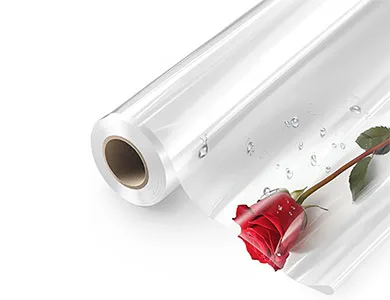
Natural cellulose films are derived from renewable plant cellulose (wood pulp and cotton pulp) and have a long history of use in food and pharmaceutical packaging. They are also constantly evolving with the help of modern coating and processing technologies to meet more diverse packaging needs.
Exceptional preservation capabilities and product integrity.
Food preservation is not simply about “wrapping a product.” It requires precise control of oxygen, moisture, and odor. This does not mean that maximum barrier performance is always the goal. For many fresh and breathable foods, moderate permeability is essential to preservation.
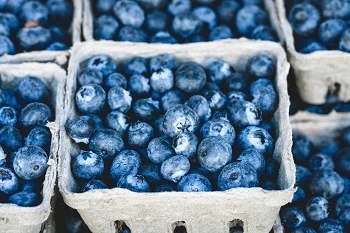
Uncoated natural cellulose film offers inherent moisture-regulating properties. It allows controlled water vapor exchange, which helps reduce internal condensation. By limiting excess moisture buildup, the film slows quality deterioration and helps products maintain their natural freshness over time.
Through advanced coating technologies, cellulose films can also achieve adjustable barrier performance. These coatings effectively slow oxidation, manage moisture migration, and preserve original flavors. Such control plays a critical role in extending shelf life and reducing food waste, both of which are key concerns for modern food manufacturers.
In addition, cellulose film provides excellent twistability. In confectionery, baked goods, and small-format packaging, this property ensures secure closures while improving packaging efficiency and product consistency.
Consumer peace of mind and food safety

Across all packaging demands, safety remains a non-negotiable foundation. As a truly bio-based material, cellulose film offers inherent advantages in food-contact applications. Its raw material sources are transparent, and its production process is well established. This reduces reliance on complex additives and makes compliance with strict food safety standards more straightforward.
For fresh foods, processed products, and even pharmaceutical packaging that demands high material stability, cellulose film goes beyond basic compliance. It provides a reliable safety foundation that helps brands build long-term trust with regulators, partners, and consumers alike.
Branding & Visual Presentation
In highly competitive retail environments, packaging often serves as the consumer’s first point of contact with a product. Cellulose film offers high transparency, natural gloss, and excellent print compatibility, allowing the product’s true condition to remain visible while delivering a clean, restrained, and premium visual impression.
Whether used as a primary wrap or as part of a composite structure, cellulose film helps brands stand out on the shelf. Through the material’s inherent sense of authenticity, it communicates respect for both the product and the environment.
Wide applicability of cellulose membranes in food packaging
In the food packaging field, natural cellulose films show strong material adaptability. Manufacturers apply them flexibly according to different food properties and preservation needs. Over time, this adaptability has formed stable, mature solutions across diverse food systems.
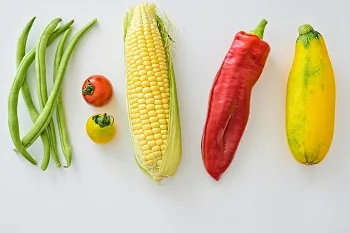
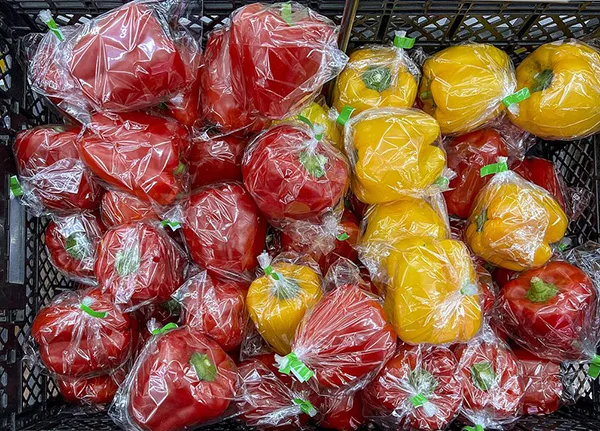
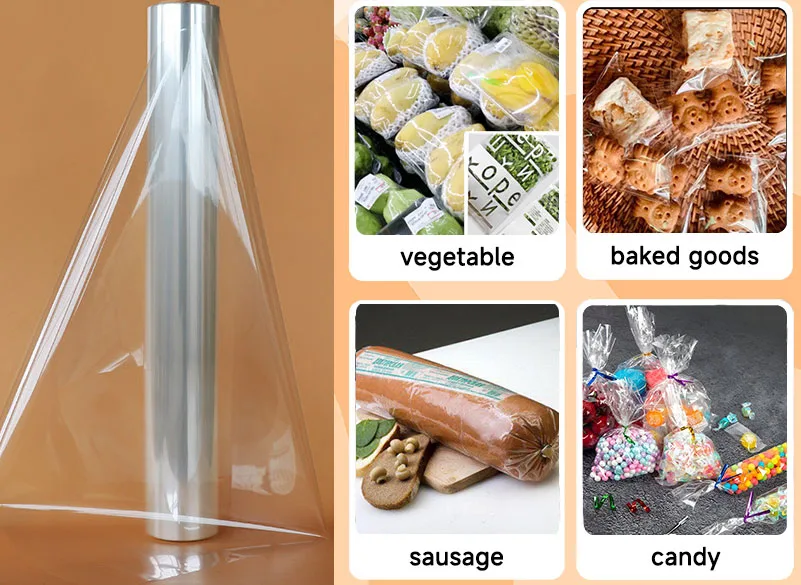
For fresh produce and other “breathable” foods such as fruits, vegetables, and bread, uncoated cellulose film offers moderate permeability. This allows natural moisture exchange and helps reduce condensation and fogging. As a result, products retain freshness closer to their natural state during storage, transportation, and shelf display. This breathing behavior plays a critical role in fruit and vegetable packaging, where excessive sealing often accelerates quality loss.
Foods with higher protection requirements call for a different approach. Dairy products, condiments, snacks, and foods with high moisture or oil content benefit from cellulose films enhanced through advanced coating technologies. These coatings significantly improve moisture resistance, oxidation control, and oil resistance. By managing the transfer of oxygen, water vapor, and odors, and by providing reliable heat-sealing performance, coated cellulose films support safe and efficient large-scale food production.

In baked goods and confectionery packaging, natural cellulose films deliver balanced performance. Their effective oil barrier and smooth twisting behavior support high-speed automated packaging. At the same time, they give products a clean and refined appearance on the shelf. The material also tolerates short-term heat contact well, which matches real production conditions in baking applications and supports both visual presentation and batch efficiency.
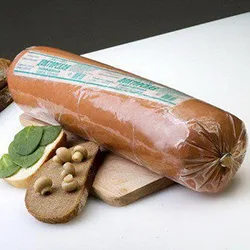
The advantages of cellulose films become even more apparent in high-temperature processed foods such as sausages. After filling, sausages typically undergo steaming or hot water cooking. Cellulose casings maintain structural stability under these conditions and can withstand temperatures of approximately 180°C–200°C, or higher, until carbonization occurs. Throughout this process, they release no harmful substances. This ability to undergo heat processing together with the product, while remaining safe, non-toxic, and dimensionally stable, has made natural cellulose casings a proven and indispensable packaging material in large-scale, standardized meat production systems.
KEDE’s Practice of Zero Pollution

For 20 years, Kede has been deeply involved in the field of natural cellulose membranes, always adhering to the principle of reducing environmental burden from the source. Using renewable plant cellulose as the core raw material, we avoid dependence on fossil-based plastics. At the same time, our natural cellulose membranes are 100% compostable. They are decomposed by microorganisms in composting or in the natural environment, returning to water, carbon dioxide and organic matter, with no microplastic residue. They are truly environmentally friendly and biodegradable.

In an environment of increasingly stringent global regulations on microplastics and “pseudo-degradable” materials, choosing natural cellulose films not only meets the multiple needs of food packaging in terms of protection, processability, and display, but also means that the product is more adaptable to different markets and regulatory systems, reducing future replacement costs and compliance uncertainties caused by policy changes. We are committed to helping our clients smoothly transition to sustainable packaging, providing a stable supply chain and technical support.
You don’t need to know all the performance parameters. Contact KEDE immediately, and our engineers will recommend practical and reliable next-generation zero-white-pollution packaging solutions for your food packaging based on your specific needs.
Specification of Biodegradable Films for Food Packaging
| Inspection item | Indicator Scope |
|---|---|
| Thickness Range | ≤2µm |
| Quantltatlon | 20-50 g/m² |
| Horizontal split | ≥4Km |
| Tensile strength (Longitudinal) | ≥25N/15mm |
| Tensile strength (Transverse) | ≥15N/15mm |
| Elongation rate (Longitudinal) | ≥10% |
| Elongation rate (Transverse) | ≥20% |
| Average Track-Resistant Index | ≥1.4 mN·m²/g |
| Antl-vlscoslty | ≥75% |
| Moisture content | 8±2 % |
| Glycerol | according to actual % |