The Role of Glycerol in Regenerated Cellulose Film
Glycerol is commonly used in regenerated cellulose film as a plasticizer. It helps improve flexibility and reduce brittleness, making the film easier to handle and process.
However, glycerol also affects other film properties, particularly moisture sensitivity and barrier performance. Its content is therefore an important consideration in film formulation.
Understanding how glycerol works can help explain why regenerated cellulose films for different applications may require different formulations.
Why Is Glycerol Used in Cellulose Film?
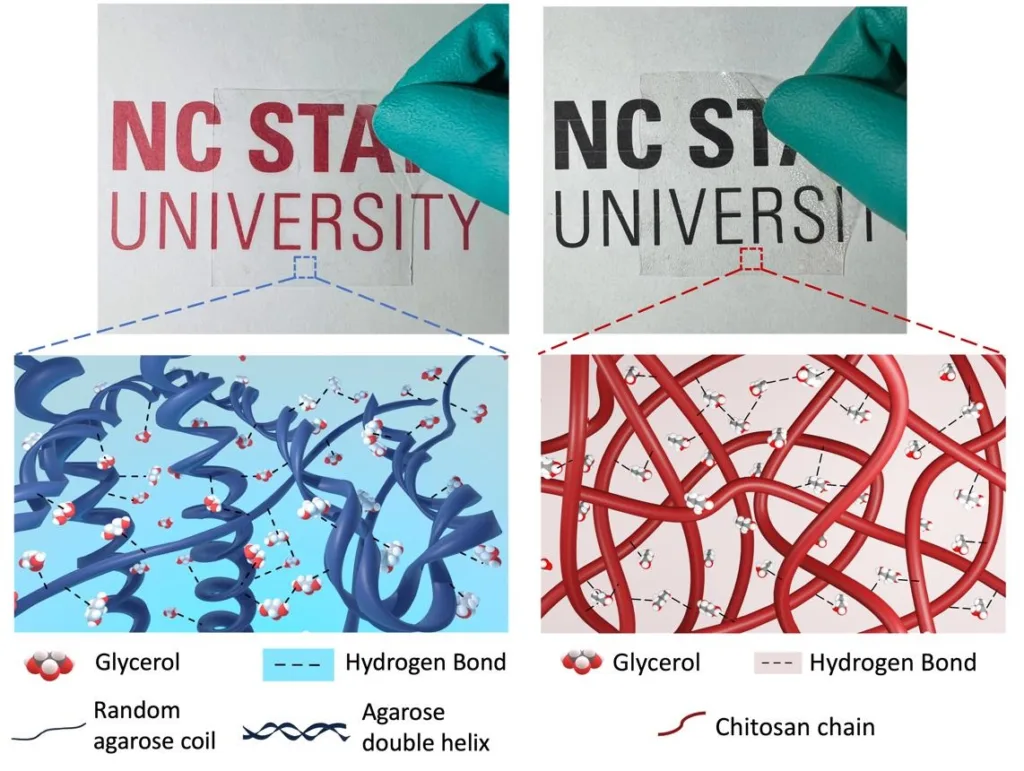
Cellulose has a relatively rigid molecular structure. Its chains are connected by strong hydrogen bonds, which contribute to the material’s strength but limit its flexibility.
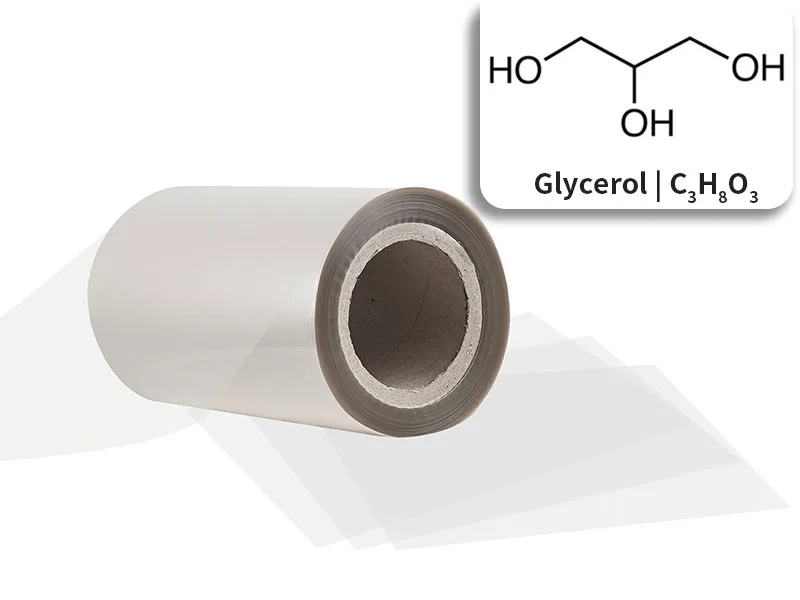
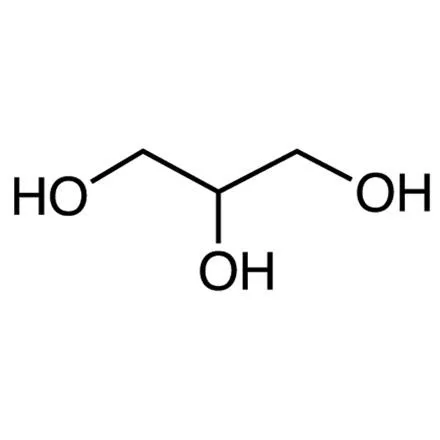
Glycerol, also known as glycerin, is a small, water-soluble compound with three hydroxyl groups. When used as a plasticizer, it interacts with cellulose chains and reduces some of the interactions between them. This allows the chains to move more easily when the film is bent or stretched.
As a result, glycerol can help improve flexibility and elongation, reduce brittleness, and make the film easier to handle during converting and processing.
It may also influence the film’s surface friction and handling characteristics. However, glycerol is not a dedicated slip agent, and its effect on the coefficient of friction depends on the overall formulation and testing conditions.
How Does Glycerol Affect Moisture and Barrier Performance?
One important characteristic of glycerol is its hygroscopic nature. This means it attracts and absorbs moisture from the surrounding environment.
Regenerated cellulose film is also sensitive to moisture. When the glycerol content increases, the film may become more responsive to changes in relative humidity.
This can influence several properties:
Mechanical properties: Higher moisture content can make the film softer and less rigid. Tensile strength and stiffness may decrease, while elongation may increase.
Water vapor barrier: Increased moisture absorption can make it easier for water vapor to pass through the film. In many cellulose-based film systems, higher glycerol content and moisture levels are associated with increased water vapor permeability.
Oxygen barrier: Moisture can also affect oxygen barrier performance. As water interacts with the cellulose structure, molecular movement becomes easier, which may reduce the film’s ability to restrict oxygen transmission.
The actual results depend on the film formulation, production conditions and surrounding humidity.
Why Does Environmental Humidity Matter?
The effect of glycerol does not depend on its content alone. Moisture in the surrounding environment also plays an important role.
Water molecules interact with cellulose and glycerol through hydrogen bonding. Like glycerol, absorbed water can act as a plasticizer, further changing the film’s mechanical properties.
As moisture content increases, the film may become softer and more extensible, while its tensile strength and stiffness decrease. Water vapor permeability may also increase.
This means a film may behave differently under dry and humid conditions, even when its formulation remains unchanged. Storage conditions, processing environments and the humidity of the final application can all influence its performance.
Why Does Glycerol Content Vary Between Applications?
Different applications place different demands on cellulose film.
For twist wrapping, the film needs sufficient flexibility to twist without cracking. For other packaging applications, moisture resistance, barrier performance or mechanical strength may be more important.
Manufacturers consider factors such as required flexibility, tensile strength, film thickness, processing conditions, and the expected storage and use environment when adjusting the formulation.
Glycerol is one part of this formulation. There is no single content that suits every application.
Does Glycerol Affect Food-Contact Applications?
Regenerated cellulose film is used in food packaging, and glycerol is a commonly used plasticizer in cellulose-based materials.
When suitable glycerol is incorporated into the film formulation, its addition does not inherently remove the material’s suitability for food-contact applications. The finished film must still meet the applicable food-contact requirements for its intended use and market.
In other words, the use of glycerol and food-contact compliance are not mutually exclusive. What matters is that the complete formulation meets the relevant requirements.
Conclusion
Glycerol helps improve the flexibility and handling properties of regenerated cellulose film. It can also influence surface friction, moisture absorption and barrier performance.
Its content needs to be adjusted according to the intended application and the required film properties. The goal is to achieve suitable performance under the actual processing, storage and use conditions.