When “Cellophane” Isn’t Cellophane | Why Buyers Specify Cellulose Film
The word “cellophane” is still widely used across global packaging and industrial trade, but in many cases, it no longer describes the real material being supplied. Transparent plastic films are often labeled as “cellophane” simply because they look similar. In everyday commercial use, that may seem harmless. In technical sourcing, however, it can lead to material mismatch, unstable processing, and avoidable cost.
For buyers in food packaging, spandex winding, compostable packaging, and other performance-sensitive applications, material naming still matters. Increasingly, professional buyers move beyond the commercial label and specify cellulose film instead.
What “Cellophane” Originally Meant
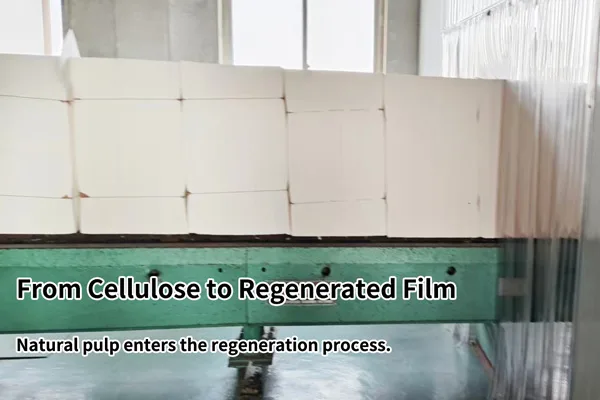
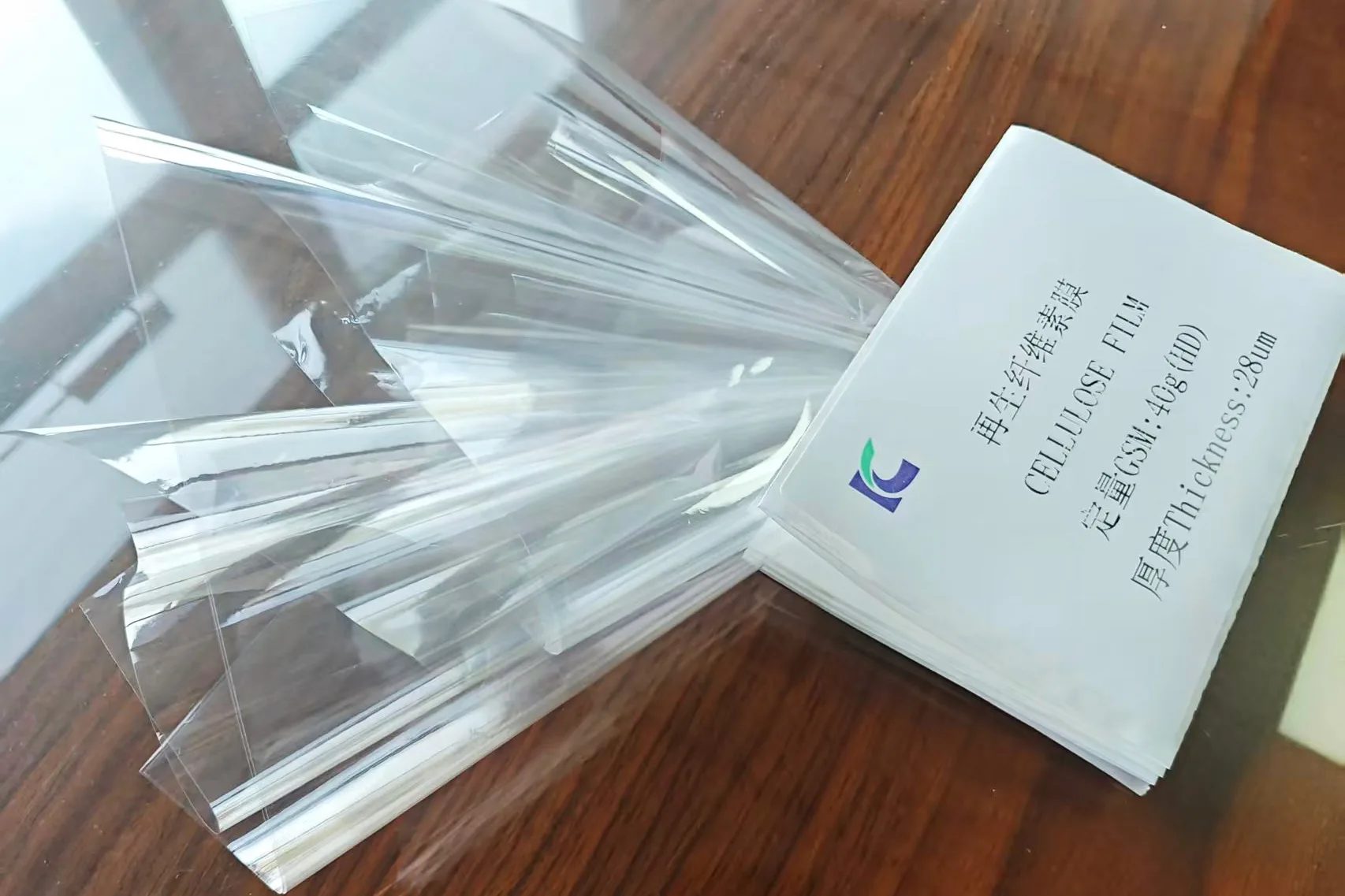
The term cellophane originally referred to a transparent film made from regenerated cellulose. Developed in the early 20th century, it was produced by processing natural cellulose from wood pulp or cotton linters into a clear, functional film. Although it is transparent, real cellophane is fundamentally different from common plastic films.
From a material standpoint, it is much closer to cellulose film than to petroleum-based packaging. It is bio-based, naturally breathable, high in gloss, and non-thermoplastic in behavior. It also offers useful functional properties such as natural antistatic performance, good printability, and dead-fold or twist retention in suitable applications.
Because of these characteristics, experienced buyers often prefer the terms cellulose film or regenerated cellulose film rather than relying on “cellophane.” These terms are more precise, more technical, and far less likely to be confused with plastic alternatives.
Why the Word Is Still Used Incorrectly
The confusion began when transparent plastic films became widely available and visually replaced cellulose film in many low-cost packaging applications. Materials such as BOPP, PP, and other clear plastic wraps looked similar to non-specialists, so in many markets the word “cellophane” gradually became a generic label for almost any transparent film.
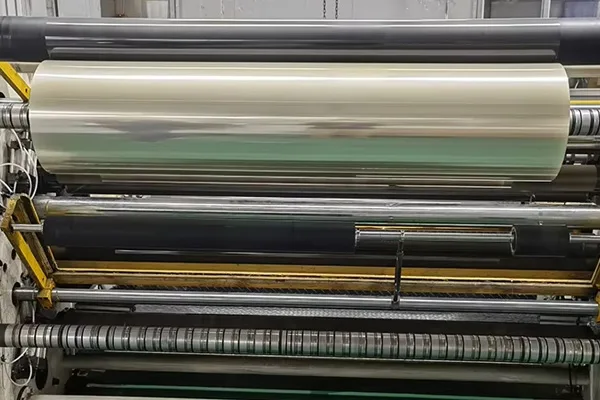
That misuse has continued for decades. One reason is simple: genuine regenerated cellulose film is still produced by only a small number of specialized original manufacturers worldwide. Large-scale primary production remains limited, while many suppliers in the market are converters, traders, or secondary processors rather than source film producers.
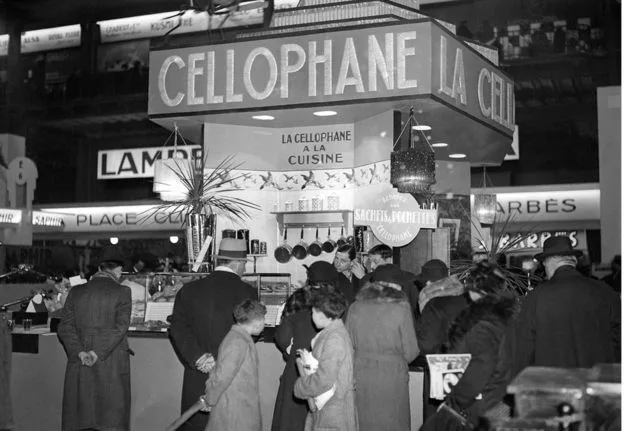
The confusion is not only commercial. It also has a legal history. “Cellophane” was once a protected proprietary name, but in a 1936 U.S. court decision involving DuPont, the term was recognized as having become generic in the marketplace rather than functioning as a source-specific trademark. In practical terms, that meant the market had already started treating “cellophane” as the name of a material category, not just the name of one producer’s product. Once that shift happened, the misuse became much harder to reverse.
Because true source manufacturers are relatively few, industry awareness around real cellophane has never spread as widely as the term itself. Many buyers encounter the word more often than they encounter the real material. At the same time, sellers often continue using “cellophane” loosely without clarifying the actual substrate. Over time, the misuse has become more common rather than less.
This long history of commercial misuse is one reason why more professional buyers now use cellulose film instead of “cellophane” when discussing specifications, sourcing, and technical applications. The term is clearer, more accurate, and less burdened by decades of legal and market-level ambiguity.
Why Real Cellophane Behaves Differently from Plastic Film
Real cellulose film may look similar to plastic at first glance, but its behavior in actual applications can be very different.
Unlike common plastic films, cellulose film is naturally breathable. This helps control moisture exchange in applications where trapped condensation can create quality issues. It also has natural antistatic behavior, which can reduce dust attraction and handling problems in certain industrial environments.
In converting and packaging, cellulose film is valued for its dead-fold effect or twist retention. Once folded or twisted, it can hold shape more effectively than typical plastic films, which usually spring back unless sealed or mechanically restrained. This is one reason cellulose film remains important in twist wrapping and specialty packaging.
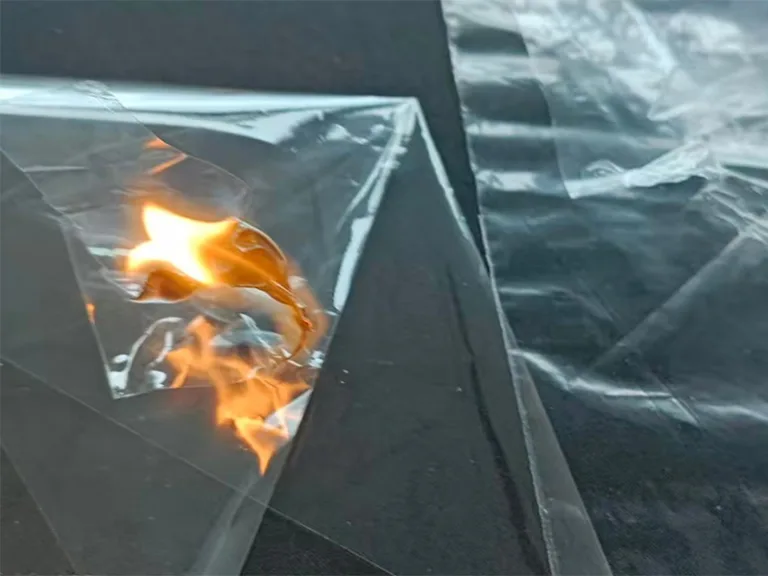
Its heat behavior is also different. Cellulose film is not a thermoplastic in the same way as BOPP or PP. Under processing heat, it is generally less prone to the softening, shrinking, or sticking behavior often associated with commodity plastic films. In applications where heat, friction, or static matter, that distinction can be critical.
When properly specified, cellulose film can also support compostable and plastic-free packaging goals. That makes it especially relevant in sustainable packaging programs.
Where Material Differences Matter in Practice
In many industries, calling plastic “cellophane” may seem harmless until the material reaches the production line.
In spandex winding and core lining, the difference can be immediate. High-speed winding creates friction, tension, and localized heat. If a plastic film is used where cellulose film is expected, the material may soften, stick, or behave unpredictably during winding. Static buildup can also complicate downstream unwinding. In these applications, cellulose film is often selected because of its combination of tensile performance, dimensional stability, and natural antistatic behavior.
In food and specialty packaging, the issue is different but equally important. Certain products benefit from the breathable structure of cellulose film. When a non-breathable plastic substitute is used instead, moisture behavior can change. That can affect shelf performance, surface condition, or product appearance over time.
In compostable or plastic-free packaging claims, terminology becomes a compliance issue. If a brand uses the word “cellophane” while the supplied material is actually BOPP or another non-degradable plastic, the result is more than a specification error. It can weaken sustainability claims, increase audit risk, and reduce trust with customers or retailers.
Why Professional Buyers Specify Cellulose Film
In technical sourcing, terminology itself is part of risk control. The word cellophane still carries recognition, but it has also been diluted by decades of misuse. In many regions, it is now used as a visual description rather than a material description.
That is why many experienced buyers, converters, and engineers increasingly use cellulose film or regenerated cellulose film instead. These terms are more specific and less ambiguous. They describe what the material actually is, rather than what it happens to look like.
For specification sheets, RFQs, and application discussions, this shift is practical. It reduces the chance of receiving the wrong substrate. It also makes it easier to discuss breathability, dead-fold performance, antistatic behavior, heat response, printability, and compostability with greater accuracy.
What Buyers Should Confirm Before Ordering
Before placing an order, buyers should confirm the actual material base rather than relying on commercial naming alone. A supplier using the word “cellophane” may still be offering BOPP, PP, or another clear plastic film unless the substrate is clearly identified.
It also helps to confirm how the film behaves in the real application. Buyers should ask whether the film is regenerated cellulose. They should also confirm whether it provides breathability, whether it offers twist retention or dead-fold, and how it performs under heat and friction. If compostability is part of the project, that claim should be tied to the actual material rather than generic marketing language.
When possible, buyers should also distinguish between a primary film producer and a converter or secondary processor. That difference can affect product consistency as well as the quality of technical guidance.
In today’s market, transparent film is easy to find, but accurate material identification is not always simple. When the word cellophane is used loosely, the risk is not just semantic. For technical buyers, it can directly affect production stability, packaging performance, and sustainability compliance. That is why more professional sourcing teams move beyond the label and specify what they actually need: cellulose film.
Frequently Asked Questions
Is cellophane plastic?
Not in the original material sense. Real cellophane is a transparent film made from regenerated cellulose, not a conventional plastic. However, in many markets, the word “cellophane” is often used loosely to describe clear plastic films such as BOPP or PP, which is why buyers should confirm the actual substrate before ordering.
What is the difference between cellophane and cellulose film?
In professional sourcing, cellulose film is the more precise term. “Cellophane” originally referred to regenerated cellulose film, but the word has been widely misused over time. Today, many buyers use “cellulose film” or “regenerated cellulose film” because these terms are clearer, more technical, and less likely to be confused with plastic alternatives.
Why do professional buyers specify cellulose film instead of “cellophane”?
Professional buyers use “cellulose film” because it reduces ambiguity in technical sourcing. The term helps clarify the actual material base and makes it easier to discuss key performance requirements such as breathability, antistatic behavior, dead-fold performance, heat response, and compostability. In many applications, clearer terminology helps prevent costly material mistakes.