Green Solutions for Agricultural Product Packaging
Agricultural Products: A Core Necessity
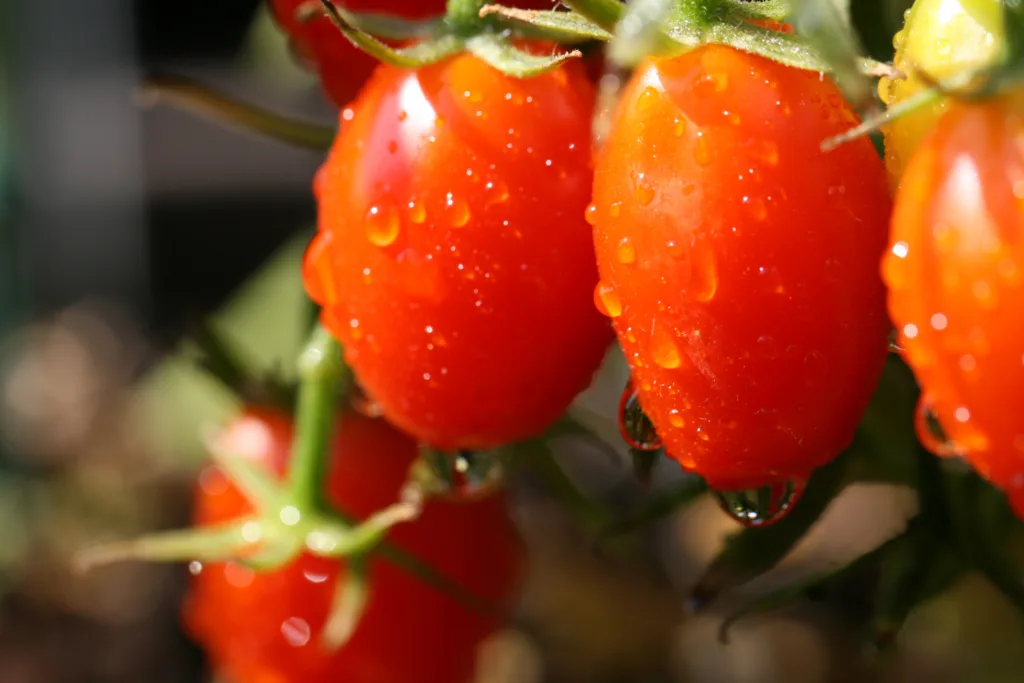
Agricultural products play an indispensable and central role in our daily lives. They are not only a basic source of material resources for human survival, providing us with the energy, nutrition, and health support we need daily, but also a vital link between nature and the dining table. Furthermore, agricultural products are the starting point of the global agricultural supply chain, supporting a vast economic system and the livelihoods of countless workers. Their significance has long transcended food itself, becoming a fundamental force for social stability and sustainable development.
Packaging Mission from Farm to Table
However, to ensure that these fresh, delicate, and time-sensitive agricultural products reach consumers safely and freshly, and to minimize losses during the “from farm to table” process, scientific and reliable packaging is particularly crucial.
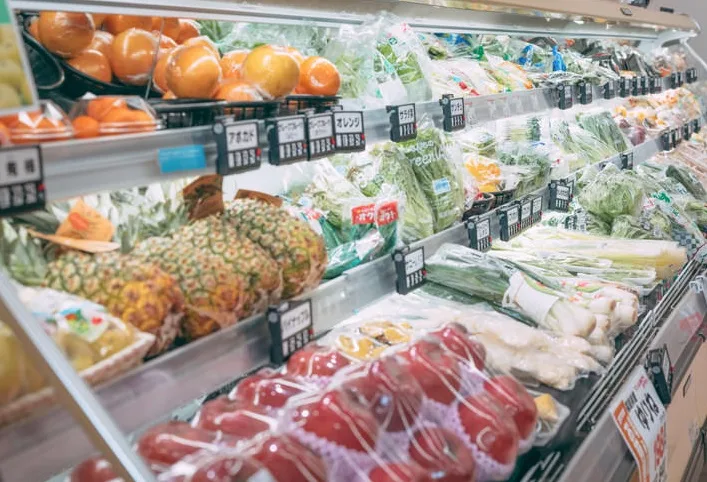
Agricultural product packaging plays a crucial role in the entire supply chain, with its core functions summarized as protection, preservation, and presentation. Agricultural products themselves possess biological characteristics such as high moisture content and continuous respiration, which presents unique challenges for packaging.
Packaging must offer sufficient physical protection against mechanical damage during transportation and retail. Critically, it must also precisely control its barrier properties to extend shelf life, thus preventing moisture condensation and spoilage caused by excessive airtightness.
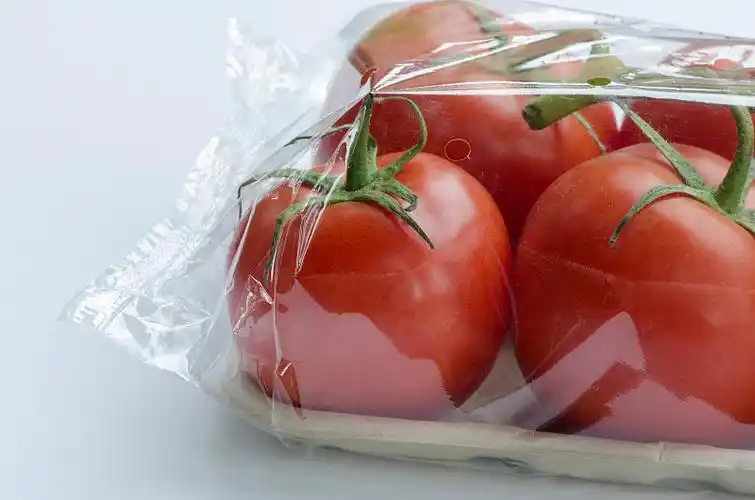
However, widely used petroleum-based packaging—despite offering basic physical protection—fails to address crucial preservation issues like proper breathability and condensation control. This plastic packaging’s inherent difficulty in recycling and high carbon emissions have fueled widespread controversy, leading many high-end sales channels to establish strict entry barriers for non-compliant materials.
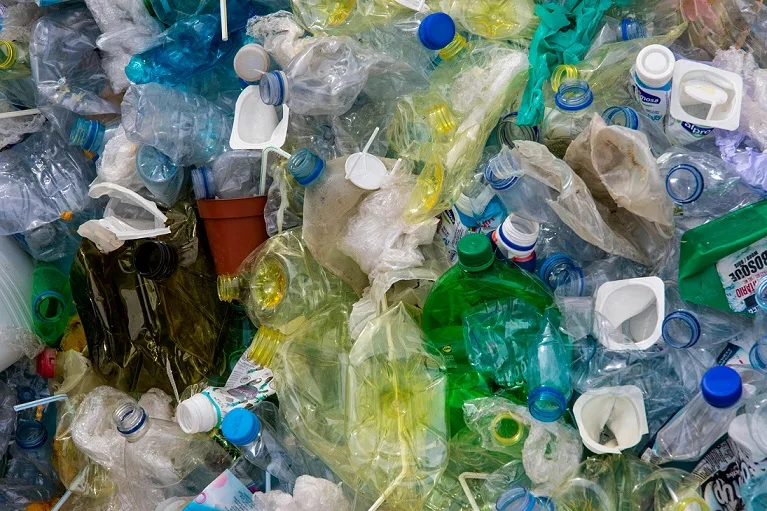
In the current global context of pursuing carbon neutrality and sustainable development, agricultural product packaging is facing a structural transformation. Although many plastic containers are advertised as “100% recyclable” (such as PETE No. 1), in practice, most consumers do not actually recycle them. This is because fruit and vegetable packaging boxes typically have strong adhesive labels, and their processing melting point differs from that of more easily recyclable PETE water bottles. This makes water bottles recyclable, while fruit and vegetable packaging boxes often end up as waste, ending up in landfills.


This “green marketing” trap has forced the industry to abandon materials that are only theoretically recyclable and instead seek truly closed-loop, pollution-free solutions. The industry’s demand for truly biodegradable, compostable packaging materials that also maintain freshness has become more urgent than ever.
Cellulose Film: Performance Meets Planet
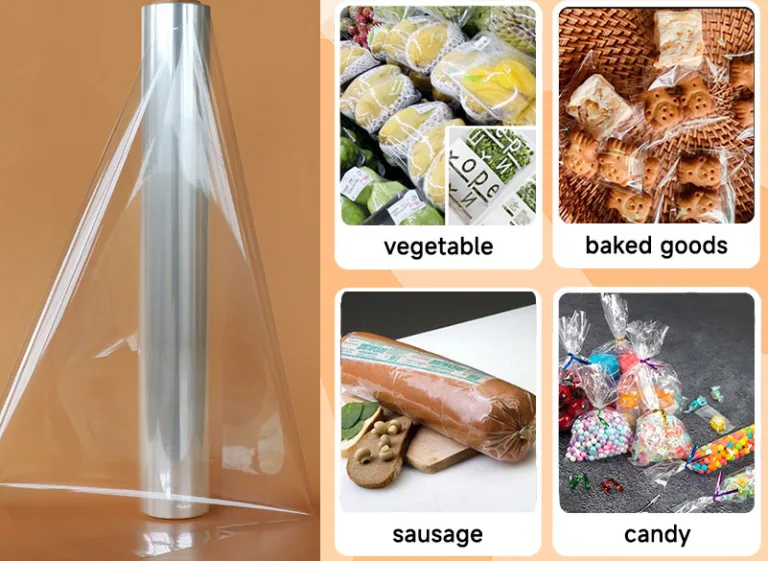
Natural cellulose film (cellophane) are becoming an ideal solution to meet these needs due to their unique material advantages.
This material possesses sufficient physical strength and tear resistance throughout its service life, effectively protecting agricultural products from physical damage during transportation and sales. Furthermore, it not only boasts excellent high transparency, perfectly showcasing the natural appearance of agricultural products, but also breathability, one of the most important advantages of cellophane. This breathability allows agricultural products to “breathe” within the packaging, effectively regulating the balance of moisture and gases (such as carbon dioxide and oxygen), slowing the respiration rate, and thus effectively extending the freshness and shelf life of fruits and vegetables. It also prevents fogging under refrigeration conditions and condensation on the inner walls of the packaging, preventing bacterial growth and spoilage of agricultural products.
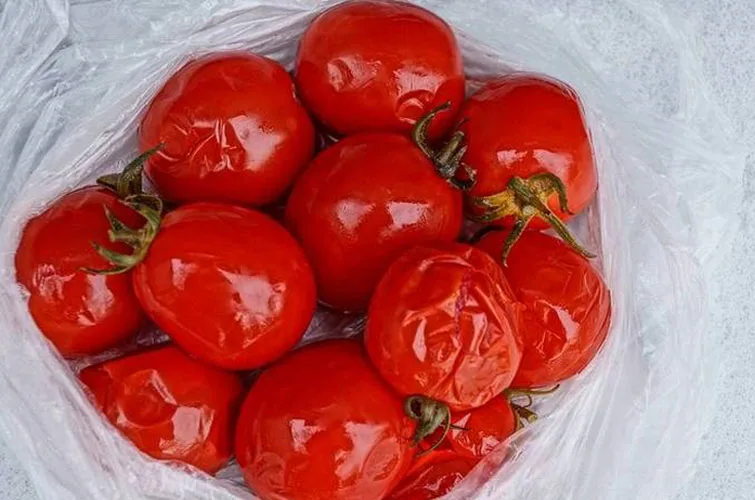
More importantly, cellulose film are derived from natural cellulose, a renewable material, and are fully compostable, perfectly meeting the high requirements of agricultural products for environmental protection and sustainability.
Operational Efficiency and Market Suitability
This natural cellulose film has an extremely wide range of applications, suitable for a variety of agricultural products, including fruits, berries, various vegetables, leafy greens, and even mushrooms. It offers excellent versatility in packaging lines, meeting the diverse packaging requirements of these agricultural products. In terms of performance, its heat-sealing and machinability properties are very similar to traditional plastic films, making it generally compatible with most existing packaging machinery. This significantly reduces the upgrading costs and technological barriers for agricultural and food companies transitioning from traditional plastics to environmentally friendly materials.
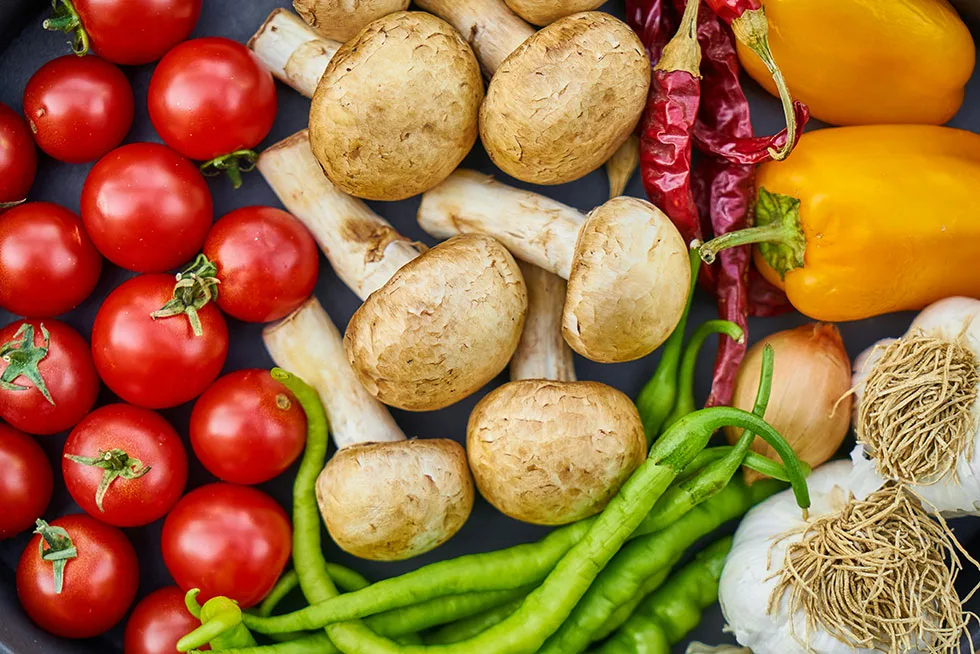
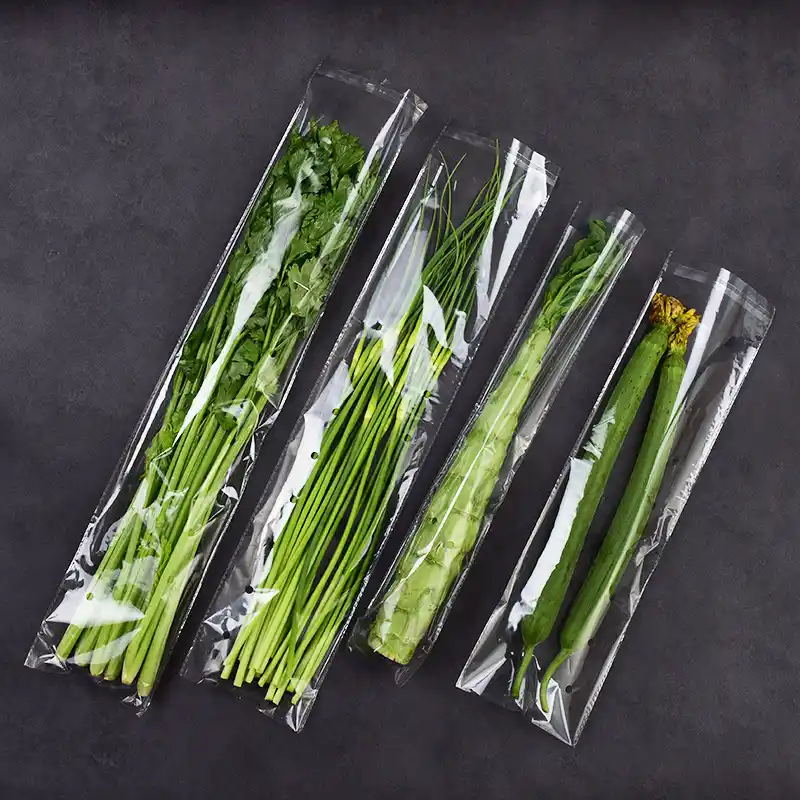
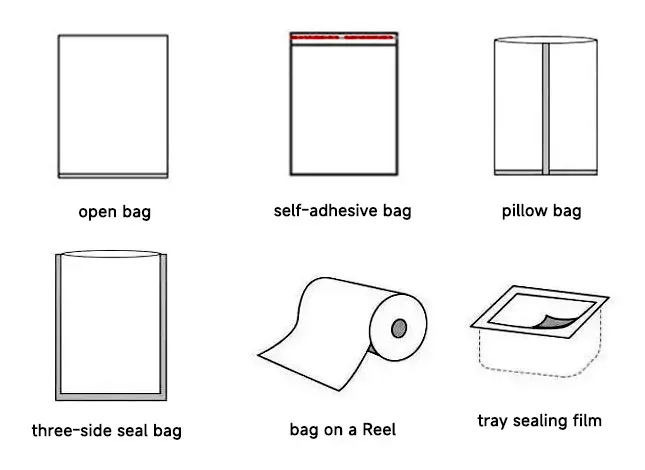
This compostable transparent packaging bag is an excellent alternative to petroleum-based plastics and one of the most sustainable packaging options on Earth! Lightweight and durable, it effectively reduces transportation costs and overall carbon footprint. It is commonly used in the following specialized agricultural product packaging formats: Open Bag, Bag on a Reel, Pillow Bag for Punnet, and Lidding Laminate. Whether you are a supplier to the world’s largest supermarkets, a specialty agricultural product supplier, a vegetable cooperative, or an agricultural product distribution service provider, this natural cellulose film can meet your unique packaging needs for agricultural products and is a sustainable and environmentally friendly option.

Contact Us
For more information or customized sustainable packaging solutions, please reach out to us:
Email: kede@selofanfilm.com
Website: selofanfilm.com
Phone: +86-151-6756-6359
TEL: +86-575-8574-9268
Tagline: “From Nature to Future — Redefining Sustainable Packaging.”