Understanding Heat Sealing: Limits and Solutions for Cellophane Packaging
Heat sealing: A core element in today’s packaging market
In modern packaging systems, heat sealing is no longer just a process option, but a crucial step in ensuring packaging integrity, production efficiency, and food safety. Whether in the food, daily chemical, or pharmaceutical industries, stable and controllable heat sealing performance directly determines whether packaging can adapt to automated production lines, effectively isolate the packaging from the external environment, and maintain the safety and quality of the contents throughout the transportation and sales cycle. Therefore, the ability to achieve efficient heat sealing has become the entry ticket for environmentally friendly materials to truly enter the realm of “mass production.”
Why traditional natural cellulose film cannot be heat-sealed?
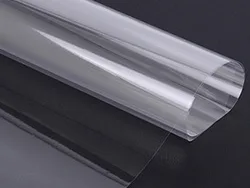
Natural cellulose films(cellophane) are derived from sustainable plant fibers. Their unique molecular structure gives the material both excellent heat resistance and breathability. Unlike petroleum-based plastics such as PE and PP, natural cellulose films do not melt or flow when heated.
This non-melting behavior allows them to perform safely in high-temperature contact and baking environments. It also creates a higher safety margin during processing. However, it means that two layers of pure cellulose film cannot fuse together through heat and pressure alone.
This limitation does not result from poor material performance. It comes directly from the inherent structure of cellulose. For this reason, modern packaging applications rely on additional sealing technologies to achieve reliable closure.
How can natural cellulose films overcome the limitations of heat sealing?
Surface Coating—Gives Natural Cellulose films Heat-Sealing Capabilities
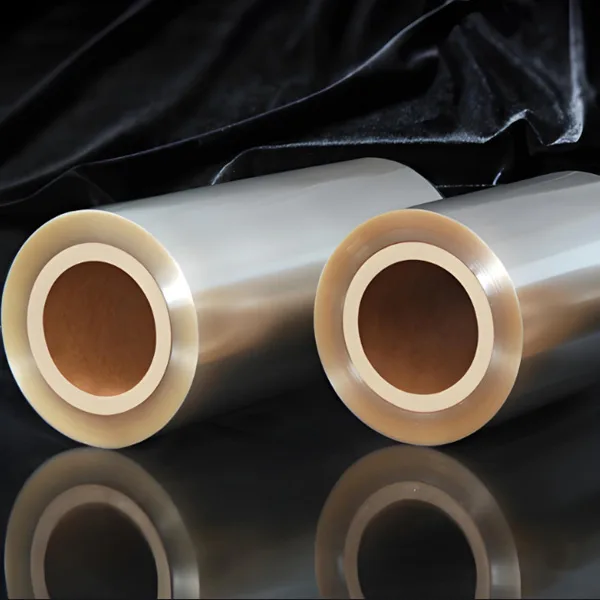
The most established solution is surface coating. Manufacturers apply an ultra-thin heat-sealable layer, such as NC, PVDC, or acrylate, onto the cellulose film. This structure allows the film to be heat-sealed on both sides within a temperature range of 100°C to 160°C. It also works smoothly on standard automated packaging lines.
The benefits extend beyond sealability.
Coated cellulose films show much stronger barriers against oxygen and moisture. Packaging becomes more sealed and stable. Resistance to oils and aroma migration also improves significantly. These properties make coated films suitable for oily foods and flavor-sensitive products.
In addition, coating creates a more uniform surface, allowing smoother operation on high-speed packaging machines while reducing defects.
Composite materials – trading function for stronger sealing
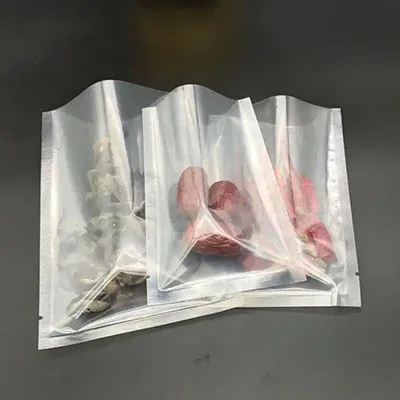
Another common approach is to combine natural cellulose film with heat-sealable films, such as PE laminates. This solution retains the high sealing strength of the plastic material while fully utilizing the natural cellulose outer layer’s high-temperature resistance and non-stick properties. This ensures clean sealing, with no sticking to sealing equipment during high-speed operations.
The structure improves sealing stability, reduces downtime, and minimizes defects caused by adhesion or poor sealing.
Although the composite solution sacrifices full compostability, it offers advantages in sealing reliability, barrier performance, and production efficiency. This makes it a viable choice for large-scale industrial applications. At the same time, by using natural cellulose film as the main material, companies can significantly reduce reliance on traditional fossil-based polymers. This helps strike a balance between high-performance requirements and plastic reduction goals.
Alternative Sealing Method – Suitable for Packaging of Pure Natural Cellulose Films
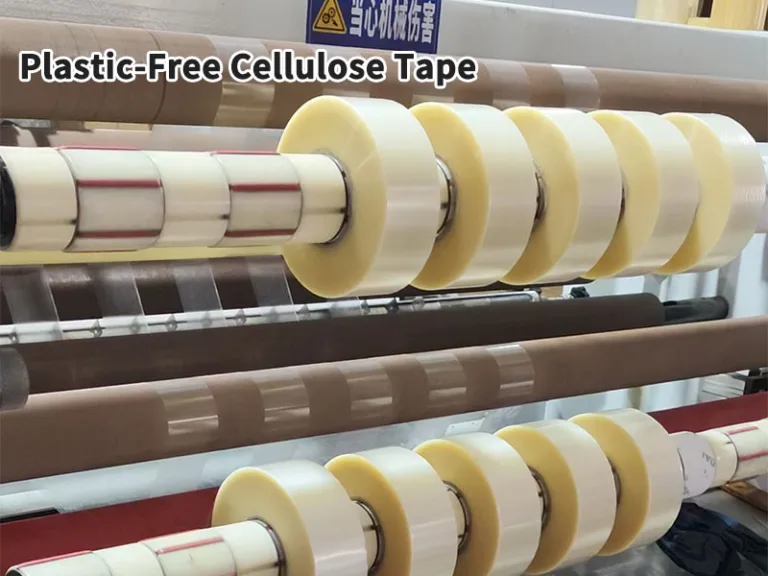
For pure natural cellulose film packaging that does not rely on heat sealing or emphasizes the “original properties” of the material, the industry still commonly uses transparent cellulose tape or food-grade adhesives for physical sealing.

This method is simple and highly flexible. It can quickly adapt to small-batch customization, short distribution cycles, or display packaging needs. By simplifying the processing, it also fully preserves the material’s natural texture. This approach offers unique value to niche markets that emphasize eco-friendly concepts and visual restraint.
How to choose the most suitable heat sealing solution

In practical applications, the choice of sealing solution depends on the company’s priority order between functional performance and environmental protection level.
As a professional manufacturer with two decades of experience in the industry, KEDE continuously optimizes materials engineering and processes to make natural cellulose membranes approach or even replace traditional plastics in terms of processing performance. Whether you prioritize extreme plastic reduction or seek stability and efficiency in large-scale production, we can provide you with heat-sealing solutions tailored to your specific application scenarios.
contact us
Email: kede@selofanfilm.com
Website: selofanfilm.com
Phone: +86-151-6756-6359
TEL: +86-575-8574-9268
Tagline: “From Nature to Future — Redefining Sustainable Packaging.”