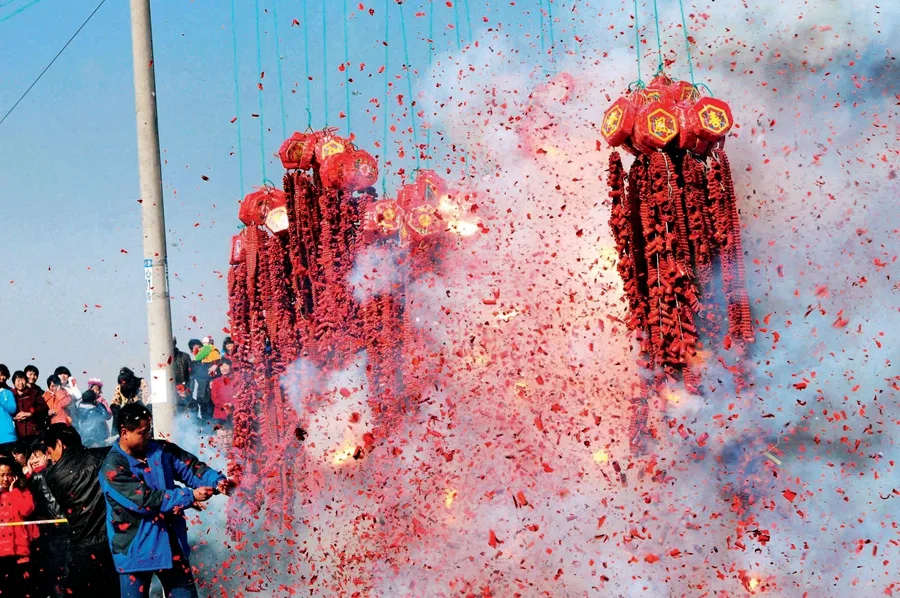
The Other Side of Firecrackers: Ancient Practices, Cultural Logic, and Modern Sustainable Packaging
As the New Year approaches, the festive atmosphere grows stronger and the firecrackers market enters its peak season once again. Firecrackers have been a celebratory symbol not only in China but also in many regions around the world—representing joy, good fortune, and the welcoming of a new beginning.
Although modern science widely criticizes firecrackers for their air pollution contributions, approaching the issue from another perspective suggests that modern scientific solutions to air pollution should prioritize major sources and require a more comprehensive, holistic analysis of the matter.
Long before the existence of modern scientific systems, people relied on long-term observation and practical experience to interpret natural phenomena, thereby forming their own knowledge systems. Take, for instance, the wisdom of burning crop residue (straw) passed down for thousands of years: it not only quickly clears fields but also provides potash fertilizer to the soil and helps control pests and diseases.
The setting off of firecrackers, a practice signifying festive celebration, involves sulfur released into the air which could act as a disinfectant against bacteria and pathogens. Moreover, after the celebration, people customarily thoroughly clean the areas around their homes, which further prevents bacterial reproduction. What our ancestors left behind is not without reason, and many traditional customs did not appear out of thin air. These deeply rooted ancient lifestyle practices did not pose a significant air pollution problem for us over a very long period, and thus should not be overly strictly targeted.
Why Firecrackers Were Once Considered “Purifying”
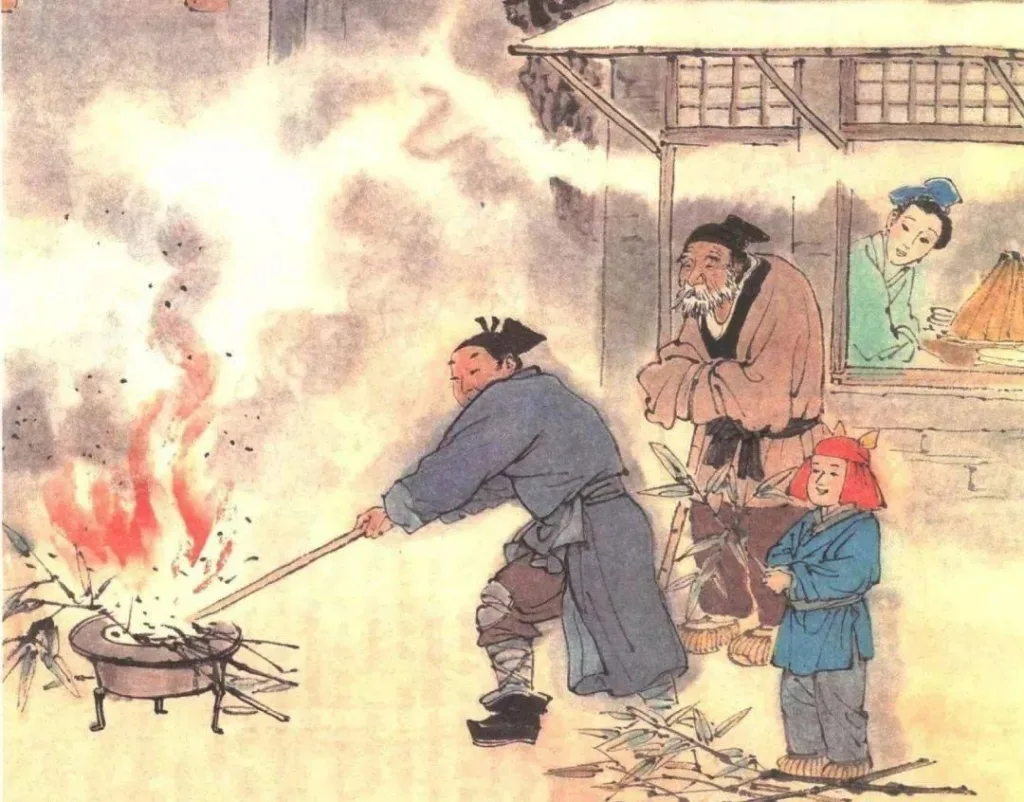
In traditional Chinese understanding, materials such as sulfur, fire, and loud explosive sounds carried the symbolic meaning of cleansing, warding off harm, and resetting the environment. But these beliefs were not pure superstition—they were shaped by repeatedly observed practical effects:
- Sulfurous smoke repels insects, reducing pests around homes and grain storage.
- Loud explosive sounds scare off animals, a useful practice in early agricultural societies.
- High heat and burning reduce surface contaminants for a short period, creating a sense of “purification.”
- Communal rituals reinforce psychological security, an important aspect of traditional concepts of “driving away illness or disorder.”
The logic behind the role of fireworks and firecrackers in ancient times resembles the process used to validate Traditional Chinese Medicine. Both rely on ancient observations that are gradually being verified by modern science.
From Bursting Bamboo to Paper Firecrackers: The Evolution of a Tradition
The earliest firecrackers were made by heating bamboo. The air pockets inside the bamboo expanded and burst, producing a sharp cracking sound. This primitive form—simple yet effective—marked the early origin of celebratory noise-making.
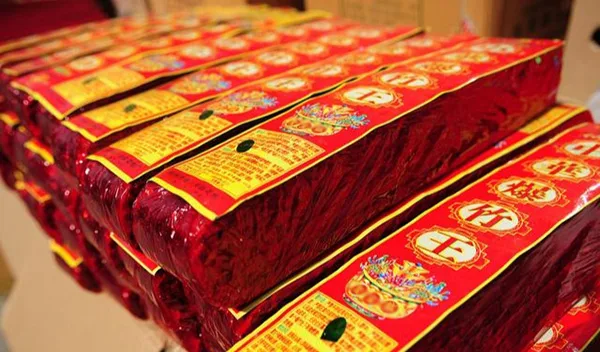
After the invention of gunpowder, people began filling bamboo tubes with a mixture of sulfur, charcoal, and potassium nitrate. These powder-filled bamboo firecrackers produced louder and more controlled explosions. Over time, bamboo tubes were gradually replaced by paper tubes containing gunpowder, which not only improved production safety but also enabled greater product variety—evolving from early single-bang and double-bang firecrackers to later long-chain firecracker strings.
Thus, firecrackers evolved from a simple practical tool to a symbolic, festive, and widely celebrated tradition with deep cultural roots.
Why Cellulose Film Is Ideal for Firecracker Packaging
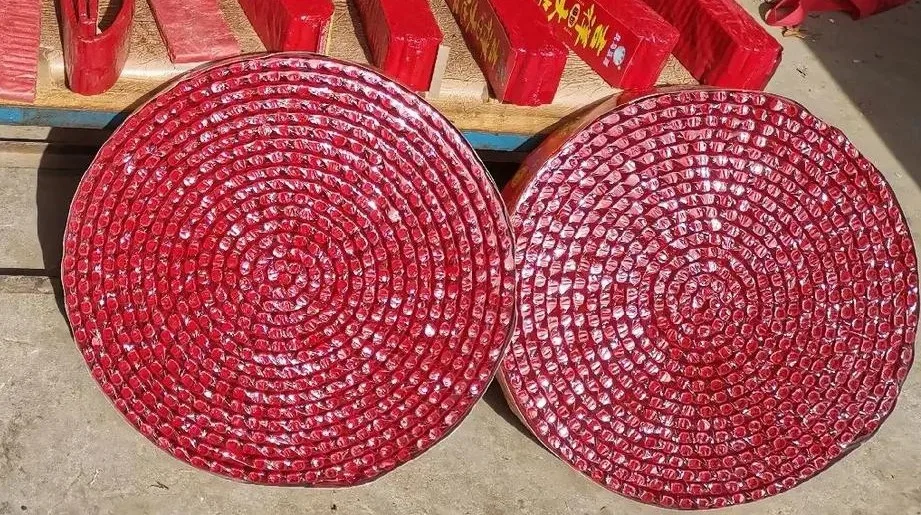
As environmental regulations tighten, the firecracker industry is actively seeking safer and more eco-friendly packaging materials. Natural cellulose film—also known as glassine film—has long been used in firecracker packaging and remains one of the safest and most reliable choices today.
Cellulose film is a fully biodegradable, plant-based material that produces no microplastic pollution and offers the clarity needed for visual safety inspection of fireworks without opening the package. It provides stable mechanical strength suitable for both automated and manual packaging, while its natural anti-static properties help minimize ignition risks during production and transportation. In addition, the film exhibits a gentle, natural shrink-fit effect after packaging, creating a tighter and safer wrap that stabilizes the powder core and paper structure, enhancing overall safety during transport and storage.
Tradition Continues, Safety Endures
Firecrackers carry centuries of cultural heritage, blending symbolism, experience, and celebration. Understanding their history does not contradict modern environmental awareness—rather, it reminds us that tradition and safety can coexist.
Cellulose film has long been an essential material in firecracker production, not as a “new upgrade,” but as a time-tested, reliable, and intrinsically safer packaging choice.
Preserve the tradition. Enhance the safety.
Keep celebrations joyful—and the future cleaner.

 Contact Us
 Contact Us
We supply a full range of cellulose film products for firecracker packaging:
- Transparent Flat Cellulose Film
- Transparent Roll Cellulose Film
- Cellulose Film for Adhesive Tapes
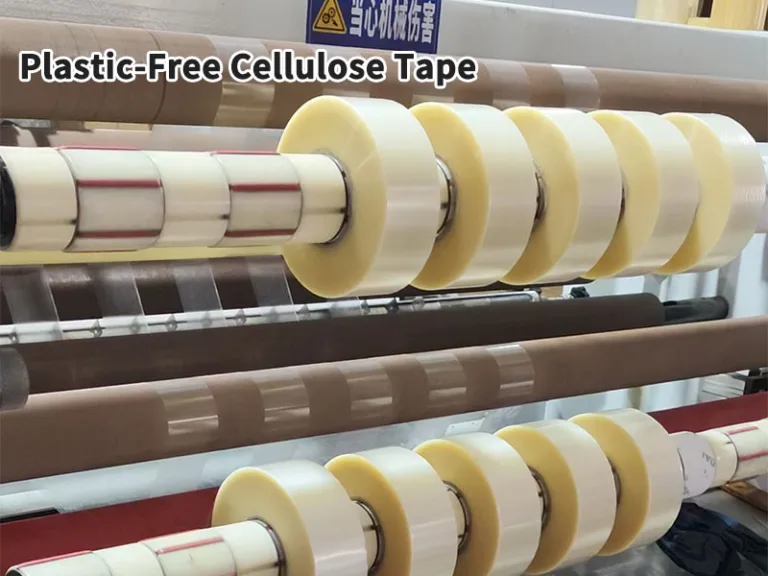
- Biodegradable Tape
- Colored Cellulose Film
- Coated Cellulose Film
For more information or customized sustainable packaging solutions, please reach out to us:
 Email:kede@selofanfilm.com
 Website: selofanfilm.com
 Phone: +86-151-6756-6359
 TEL: +86-575-8574-9268
📍 Address:
Nine One Mound, Haitu Binhai Industrial Zone, Keqiao District, Shaoxing, Zhejiang, China