Plastic Alternative Solutions: Embracing a Future of Functionality and Sustainability
In an era of environmental awareness, brands and manufacturers worldwide are rethinking packaging. This article explores key sustainable packaging materials and highlights Natural Cellulose Film as a truly eco-friendly, high-performance solution.
The Challenge
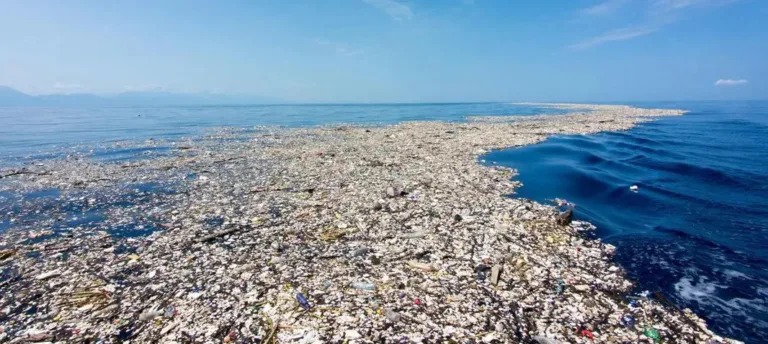
In today’s world, the reliance on plastic has led to unprecedented environmental challenges, while the demand for sustainable packaging solutions is accelerating at an alarming rate. Finding high-performance, reasonably priced plastic alternatives has become an urgent priority for brands looking to enhance their image, meet regulatory demands, and satisfy consumer expectations. The hazards of conventional plastic are becoming increasingly evident:- Harm to Earth’s Soil: Plastic microparticles infiltrate the soil, altering its structure and affecting agricultural ecosystems.
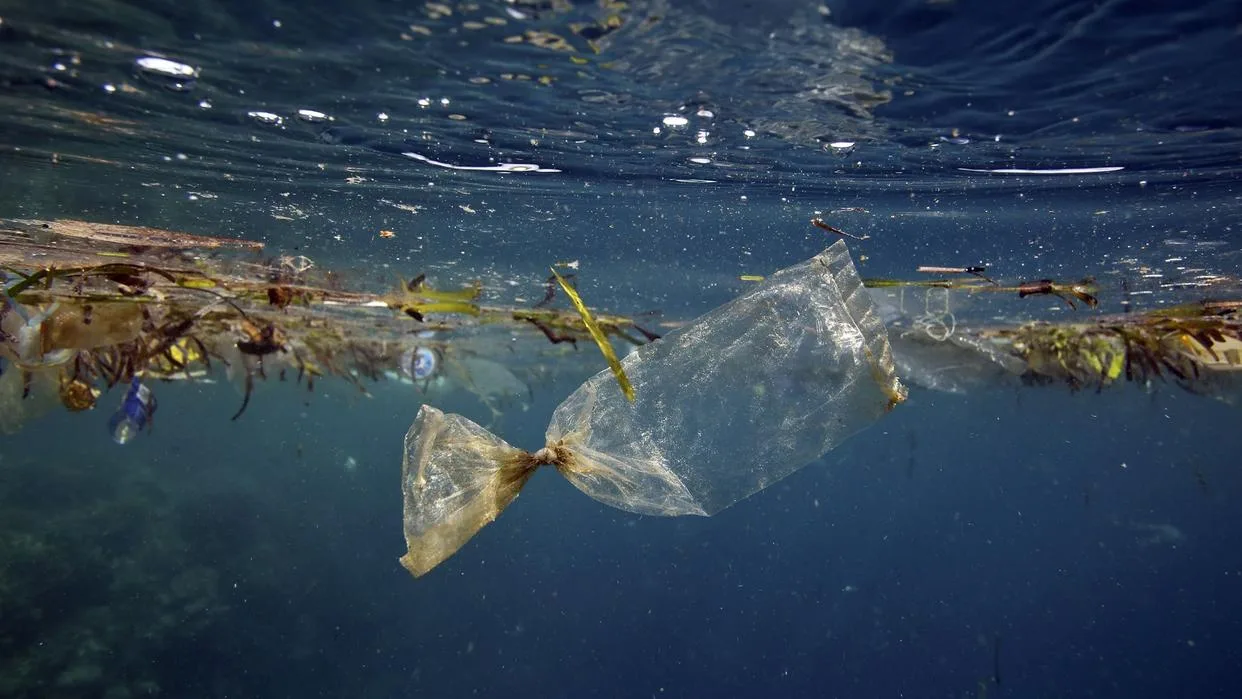
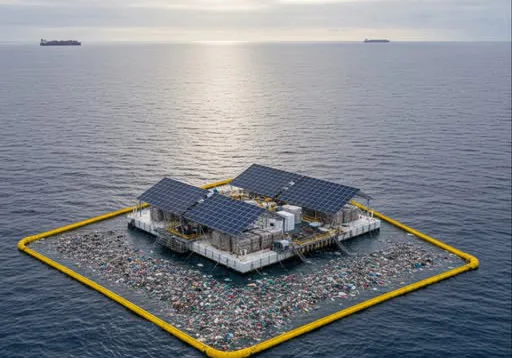
- Water Pollution: Massive amounts of plastic waste flow into rivers and oceans, forming “plastic islands” and threatening marine life.
- Harm to Wildlife: Animals suffer from suffocation or poisoning after ingesting plastic, contaminating the food chain.
- Human Health Crisis: Microplastics have entered our food, drinking water, and even the air, posing potential health risks.
Limitations of Traditional Alternatives
In the pursuit of alternatives, conventional materials often face limitations:
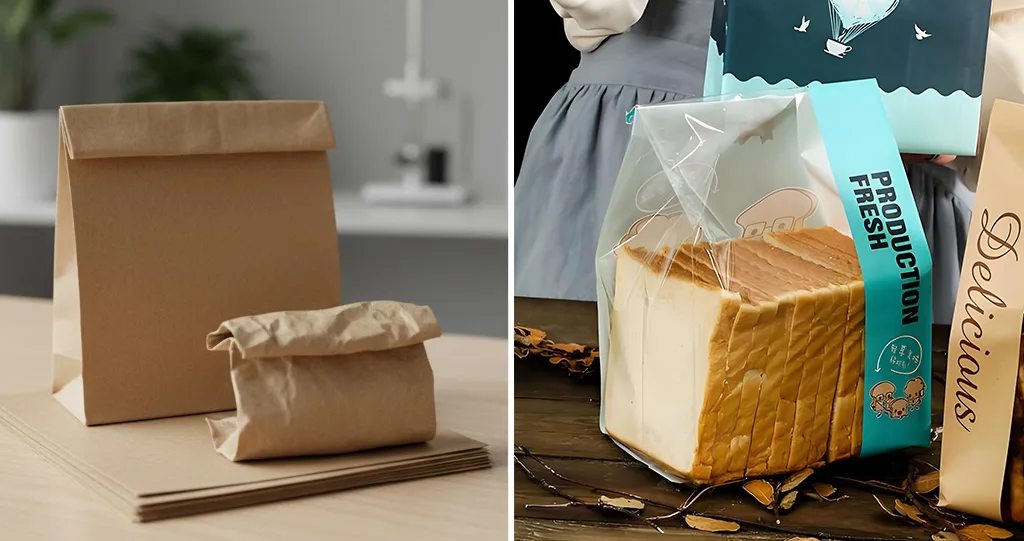
- Paper Packaging: Though recyclable, it lacks transparency, moisture resistance, and barrier properties, and often requires plastic coating to function properly.
- Non-Degradable Bioplastics: Some “bioplastics” still require specific industrial environments to break down, or remain persistent in nature, failing to solve the plastic waste problem fundamentally.
Our Solution: Natural Cellulose Film
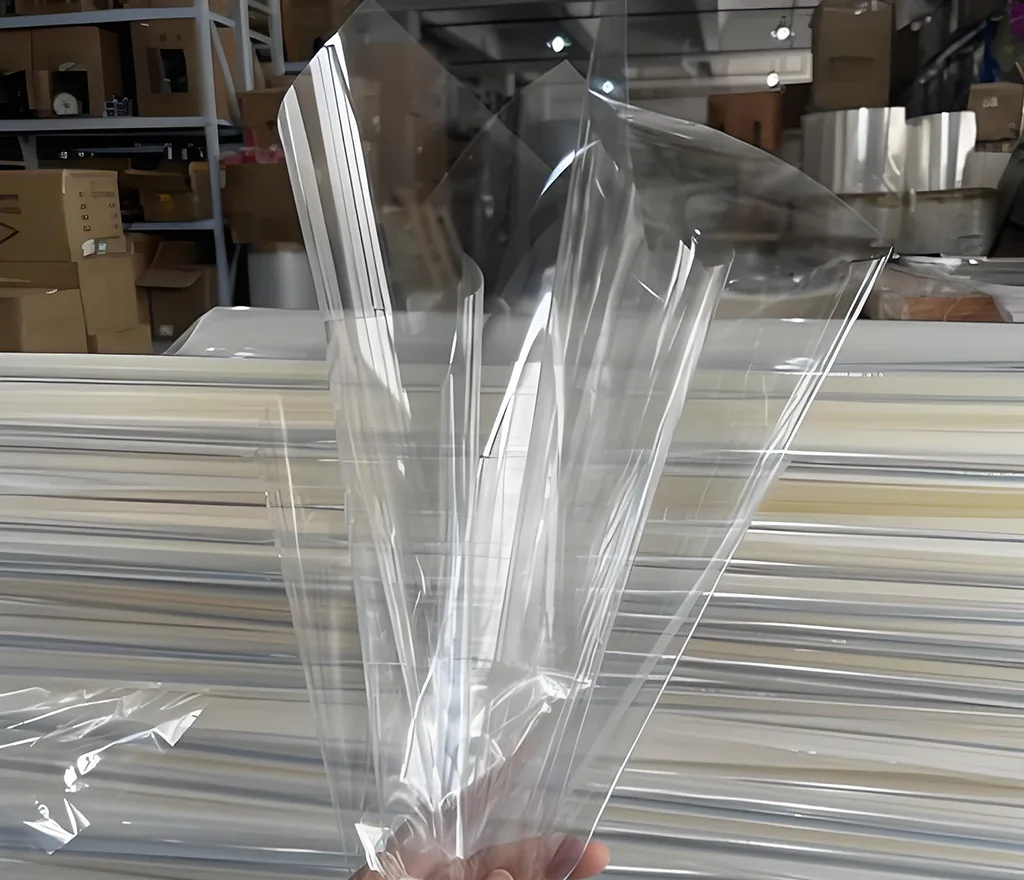
Our innovative solution is the Natural Cellulose Film — a transparent packaging material made from plant fibers, perfectly balancing functionality and environmental responsibility.
Environmental Advantage: Achieving True “Cradle-to-Cradle”
Natural Cellulose Film is derived from renewable resources such as wood pulp and cotton linters, making it a truly plant-based and compostable material:
- Lower Carbon Footprint: Production consumes less energy and emits fewer greenhouse gases than petroleum-based plastics.
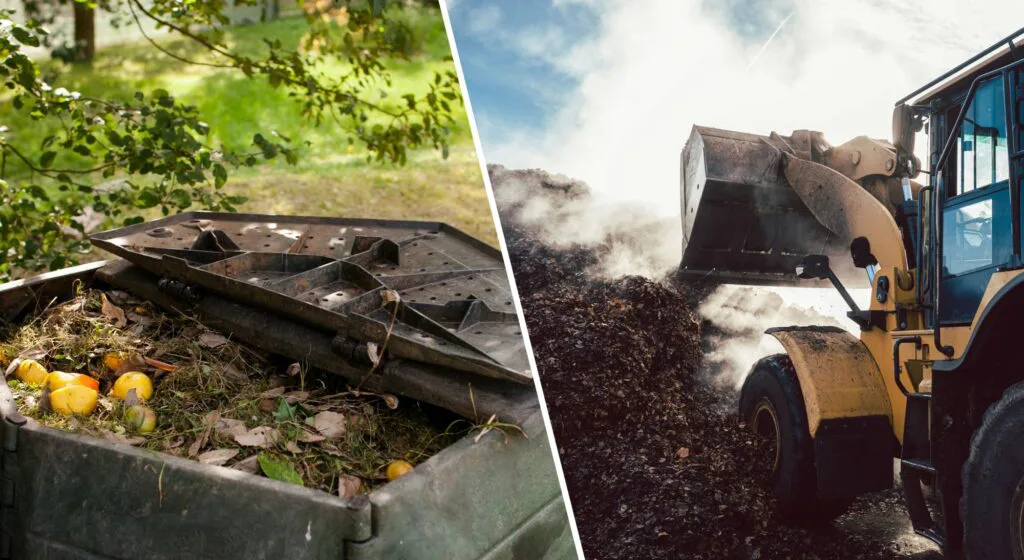
- Rapid Decomposition: Decomposes under industrial composting conditions into CO₂, water, and biomass — leaving no microplastics behind.
- No Microplastic Pollution: Completely returns to nature, forming a closed and sustainable life cycle.
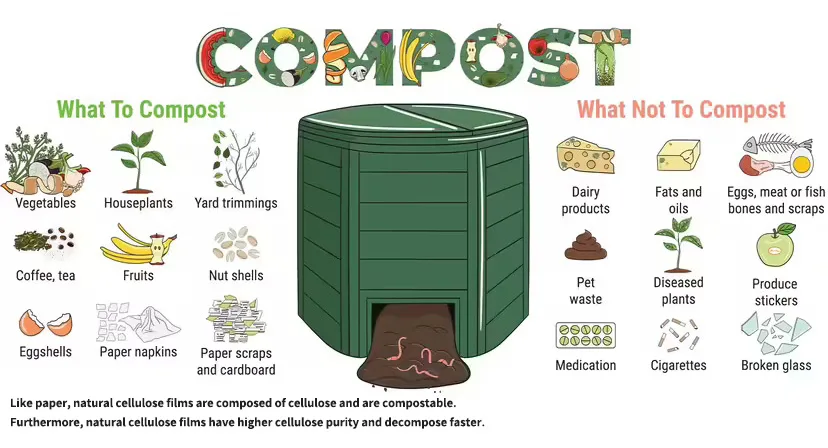
Natural cellulose film shares the same environmental foundation as paper in terms of sustainability—both are composed of cellulose and are compostable. However, natural cellulose film is refined during the manufacturing process to achieve a higher cellulose purity, allowing it to decompose more quickly and thoroughly in a controlled composting environment, returning more completely to nature.
Recommended Selection Guide
- High Transparency, Natural Shine: Choose cellulose film for premium and display packaging.
- Eco Goals + Functional Needs: For brands emphasizing both performance and sustainability.
- Food Contact Safe: Ideal for eco-friendly food wraps, biodegradable casings, and tapes.
Features and Applications
Natural Cellulose Film is not only sustainable but also delivers exceptional performance across multiple industries:
| Core Feature | Typical Application | Value Proposition |
|---|---|---|
| Anti-Static / Dissipative | Packaging for pyrotechnic electronic components and other static-sensitive instruments | Mitigates static hazards, protecting sensitive electronic components from accidental ignition or damage, thereby ensuring safety and functional integrity. |
| High Transparency and Gloss | Premium retail packaging (e.g., optical lenses, diagnostic devices) | Showcases products clearly, enhancing brand image and consumer appeal. |
| Compostable and Biodegradable | Sustainable food packaging (e.g., eco-friendly wraps or casings) | Supports a “package-to-healthy-soil” cycle, aligning with global eco standards. |

Challenges and Considerations
Although Natural Cellulose Film offers remarkable environmental and functional benefits, some challenges remain:
- Infrastructure: Composting and recycling systems are still developing in many regions, requiring cross-sector cooperation.
- Environmental Sensitivity: As a plant-based material, it is sensitive to temperature and humidity — proper storage and use conditions must be maintained for optimal performance.
Conclusion and Call to Action
The future of packaging is shifting toward sustainability, and Natural Cellulose Film stands as a leading solution in this transformation. By choosing this renewable, compostable, and high-performance material, brands can reduce their environmental footprint while aligning with evolving global eco standards. Choose Natural Cellulose Film — choose sustainability, functionality, and a greener future.
Contact us:
https://selofanfilm.com
Email: kede@selofanfilm.com
Phone: +86-151-6756-6359
TEL: +86-575-8574-9268