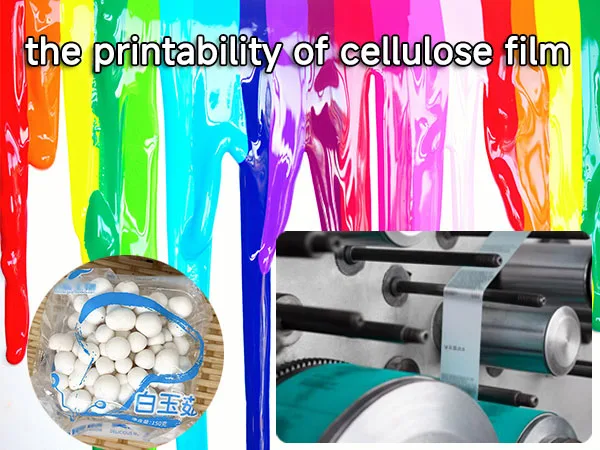
Printing Performance in Sustainable Cellulose Film Packaging
Why Printing Is Essential in Modern Packaging Films
Printing gives packaging its ability to communicate. Without printing, materials remain silent.
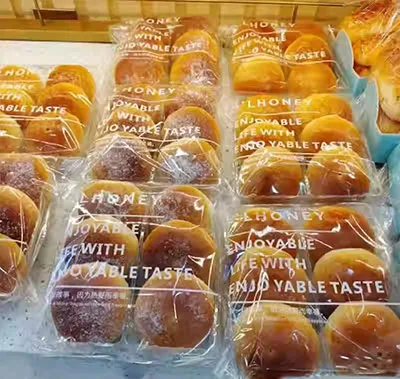
In modern packaging, printing delivers brand information and product details. It also shapes the consumer’s first impression at the shelf. This makes print compatibility a critical material property. It affects production stability, visual consistency, and brand credibility.
In many cases, it influences material selection at an early design stage. Yet not every film can carry information with clarity and restraint.
Why Natural Cellulose Film Performs Reliably in Printing
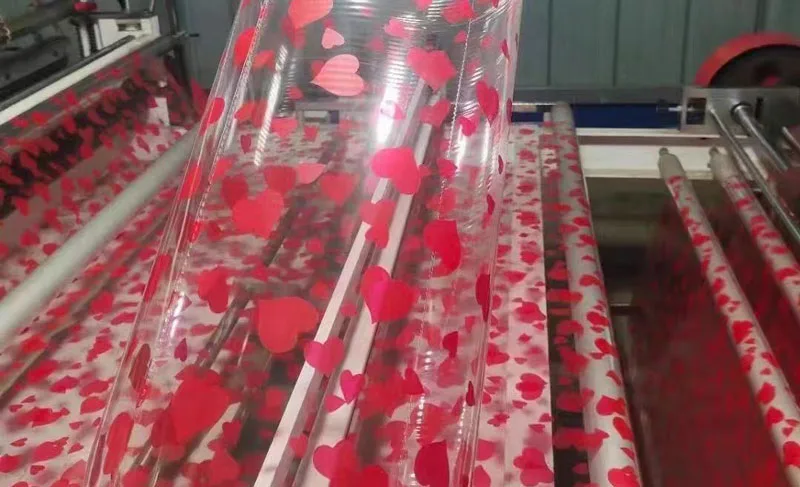
In real production, printing is more than a visual task. Surface smoothness and ink reception affect machine stability.
Natural cellulose film features a smooth and stable surface. Its fine structure allows ink to spread and anchor with ease. Even at high speeds, edges remain sharp and colors stay consistent. High transparency and natural gloss further enhance visual clarity.
This stable surface also allows different printing methods to perform as intended. In gravure printing, the film handles high ink loads without smearing. With flexographic printing, low surface rebound helps preserve dot definition. Digital systems benefit from the same uniform surface, which supports consistent output.
This predictable printing behavior forms a core requirement in industrial packaging. It also aligns well with brands that value authenticity and material honesty.
Coated Cellulose Films and Print Performance Synergy
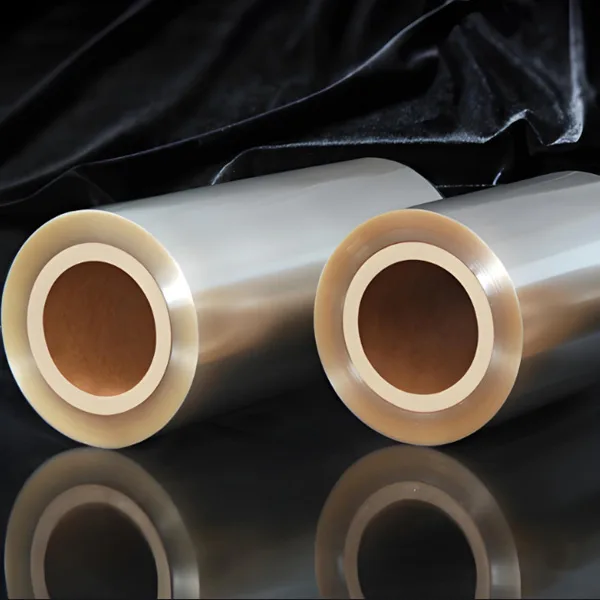
Functional coatings significantly extend the application scope of natural cellulose films without compromising print quality.
After coating, print output remains stable and graphics stay sharp. Color consistency also becomes easier to control across different production runs.
The coating also introduces heat-sealing capability and improves barrier and processing performance. Packaging can move beyond simple wrapping or display and enter standardized automated production lines.
This extended functionality allows natural cellulose films to meet broader packaging needs. It also helps balance performance demands with sustainability goals, without complex plastic laminations.
Print Compatibility in a Sustainability-Driven Market
In the end market, packaging often forms the consumer’s first point of contact with a product. Print quality plays a decisive role at that moment. Sustainable packaging still depends on reliable and controlled printing performance.
Built on a mature material system and predictable print behavior, KEDE natural cellulose films focus on uncoated and functional coated structures. They serve food, confectionery, bakery, and related industrial packaging applications. The films support printing, heat sealing, and barrier performance, while maintaining core attributes such as biodegradability and plastic-reduction orientation. This combination gives brands a clear and practical path to balance performance requirements with long-term sustainability goals.

Contact Us
For more information or customized sustainable packaging solutions, please reach out to us:
Email: kede@selofanfilm.com
Website: selofanfilm.com
Phone: +86-151-6756-6359
TEL: +86-575-8574-9268
Tagline: “From Nature to Future — Redefining Sustainable Packaging.”