Single-Material Films or Traditional Laminates?
A Practical Guide to Packaging Material Transition
Why Traditional Laminated Films Still Dominate High-Performance Packaging
Traditional plastic laminates remain the default choice in many packaging systems. Their strength lies in stacking performance limits.
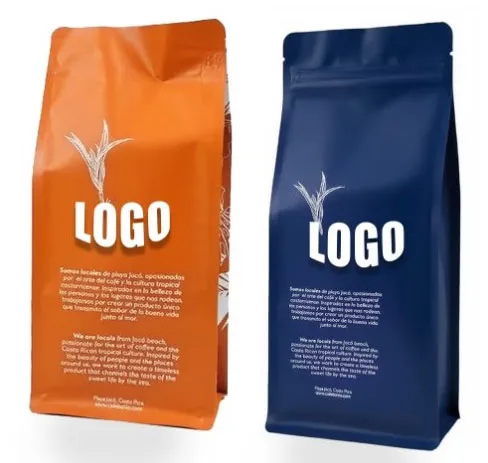
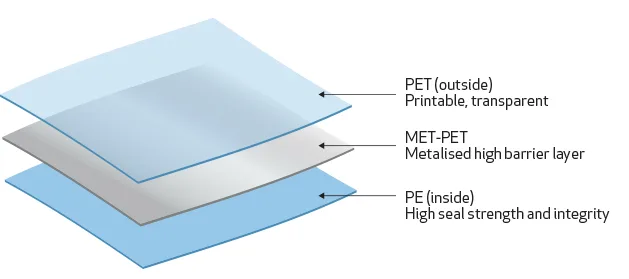
By combining PET, aluminum foil, and PE, laminated films approach near-zero oxygen and moisture transmission. They also deliver high puncture resistance and a wide heat-sealing window.
For products requiring 18–24 months of shelf life, or containing sharp or heavy contents, these structures remain hard to replace. In such cases, laminated films still offer unmatched safety and process stability.
Before discussing alternatives, these advantages deserve clear recognition.
The Hidden Costs Behind Laminated Structures
High performance comes with unavoidable trade-offs.
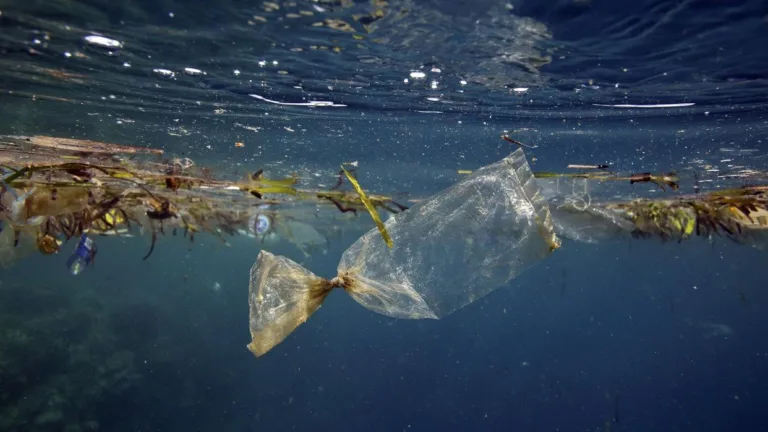
Laminated films bond multiple polymers, adhesives, and metal layers together. This structure makes recycling extremely difficult. Most laminates also rely heavily on fossil-based plastics and aluminum foil.
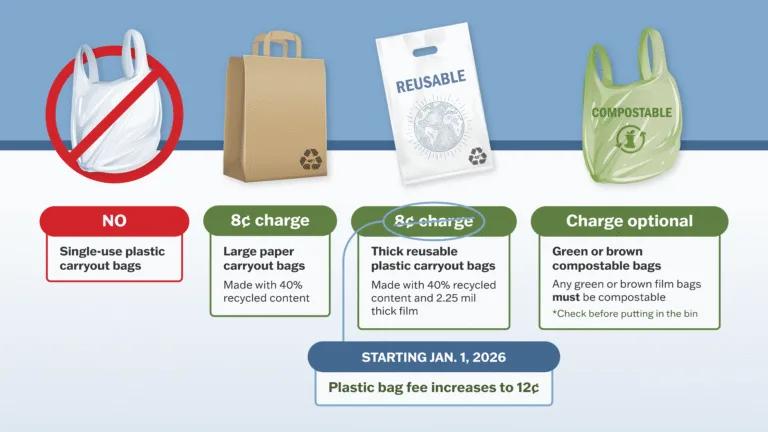
As regulations tighten and plastic taxes expand, packaging decisions now extend beyond barrier performance alone. Carbon footprint, compliance risk, and end-of-life handling carry growing weight.
In many fast-moving consumer goods, packaging rarely needs to reach engineering extremes. That gap opens space for alternative material paths.
The Cellulose Film Path: Single Material with Functional Coatings
Natural cellulose film follows a different logic.
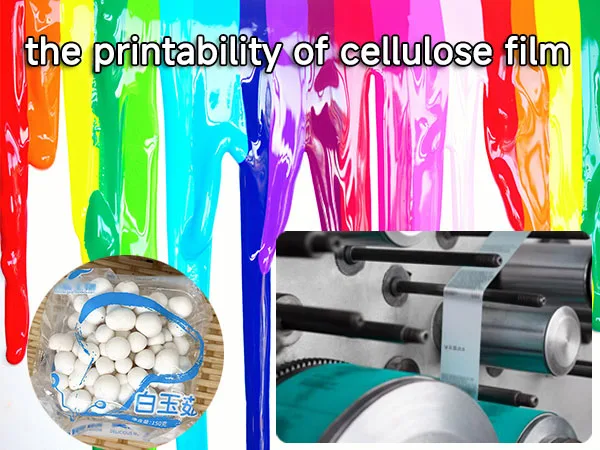
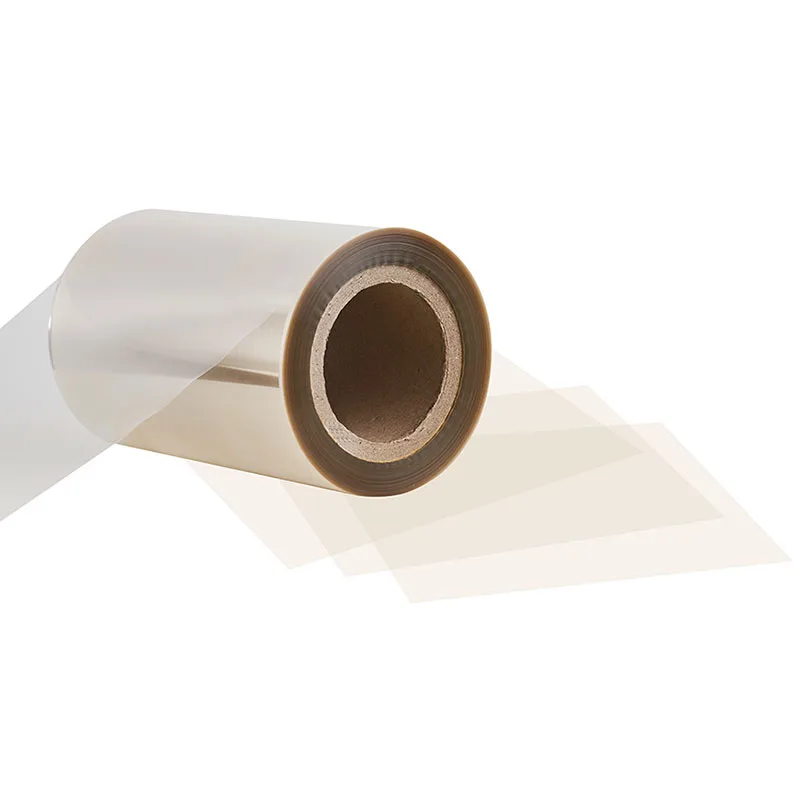
Instead of stacking layers, it relies on a single renewable substrate, enhanced through functional coatings. This approach reduces structural complexity while retaining key packaging functions.
Uncoated cellulose film offers natural breathability and heat resistance. It suits fresh produce, bakery items, and products that require moisture regulation. (See applications in food packaging.)
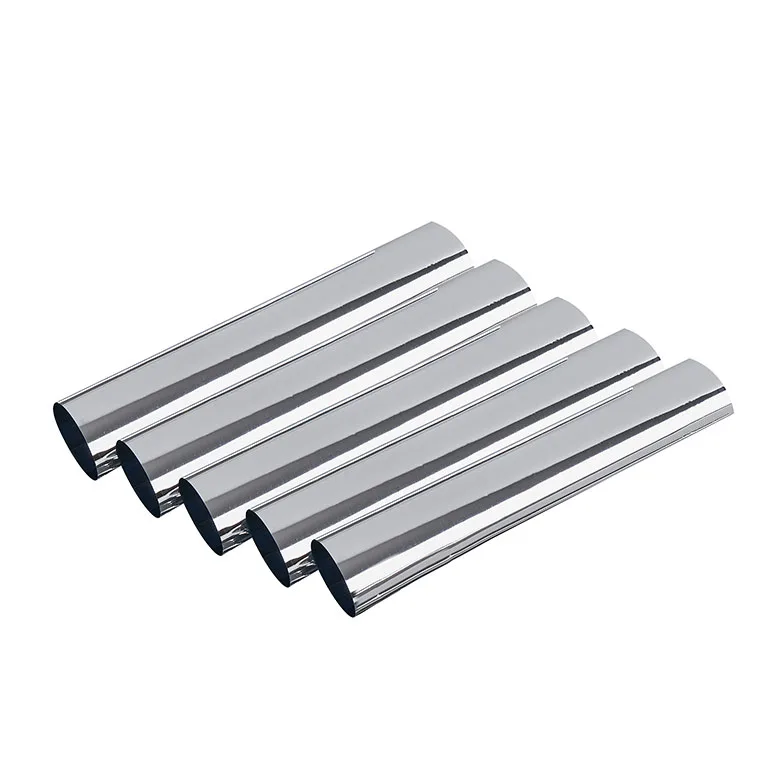
When protection needs increase, PVDC or aluminized coatings introduce barrier and heat-sealing capability. The coating layer remains extremely thin and preserves the base material structure. (Details in heat sealing solutions for cellulose film.)
This strategy does not aim for aluminum-foil-level absolute barriers. It focuses on reasonable protection within a 6–12 month shelf life, which covers most FMCG products.
Addressing Common Technical Concerns
Barrier performance
Aluminized and coated cellulose films meet the needs of most food and confectionery packaging.
Mechanical strength
Cellulose films suit lightweight products without sharp edges. They are not designed for high-impact or puncture-intensive applications.
Heat sealing
Sealing relies on surface coatings rather than bulk melting. Equipment requires tighter control of temperature and pressure.
Once parameters stabilize, sealing remains clean and supports continuous operation.

Cost structure
Cellulose films usually cost more than commodity plastics. However, as regulatory pressure increases, material cost is no longer the only variable.
In many markets, plastic taxes, compliance risk, and long-term policy direction are becoming part of procurement decisions
(see how global plastic ban policies are reshaping packaging choices).
When a Material Transition Makes Sense—and What Comes Next
A material transition becomes practical under these conditions:
- Shelf life falls within standard FMCG ranges
- Regulatory or plastic-reduction pressure applies
- Extreme puncture resistance is unnecessary
- Material transparency and long-term compliance matter
In such cases, a simpler material system deserves serious evaluation. Its goal is not peak performance, but stable and controllable results.
Packaging transitions rarely happen overnight.
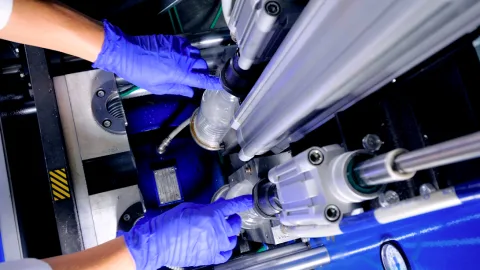
Most projects start with sealing tests, equipment tuning, and shelf-life validation. This process lowers operational risk while reducing structural complexity.
Such a transition represents active optimization, not passive compromise.
If these considerations align with your current packaging plans, you are welcome to contact us. We actively support testing and validation throughout the transition process.

Email: kede@selofanfilm.com
Website: selofanfilm.com
Phone: +86-151-6756-6359
TEL: +86-575-8574-9268
Tagline: “From Nature to Future — Redefining Sustainable Packaging.”