How a Wine Spill Inspired the Birth of Cellophane — A Sustainable Packaging Revolution
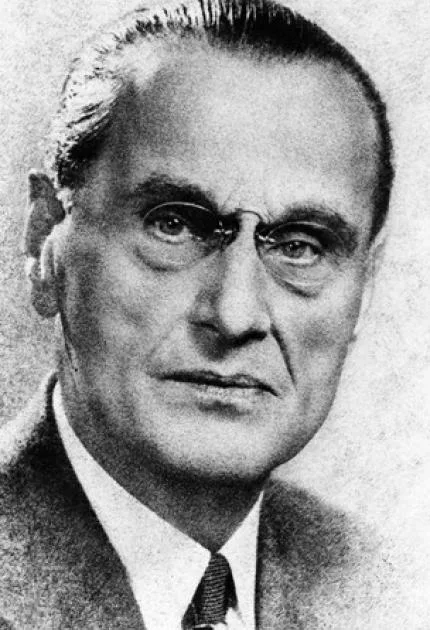
 From Failed Coating to Bioplastic Discovery
 From Failed Coating to Bioplastic Discovery
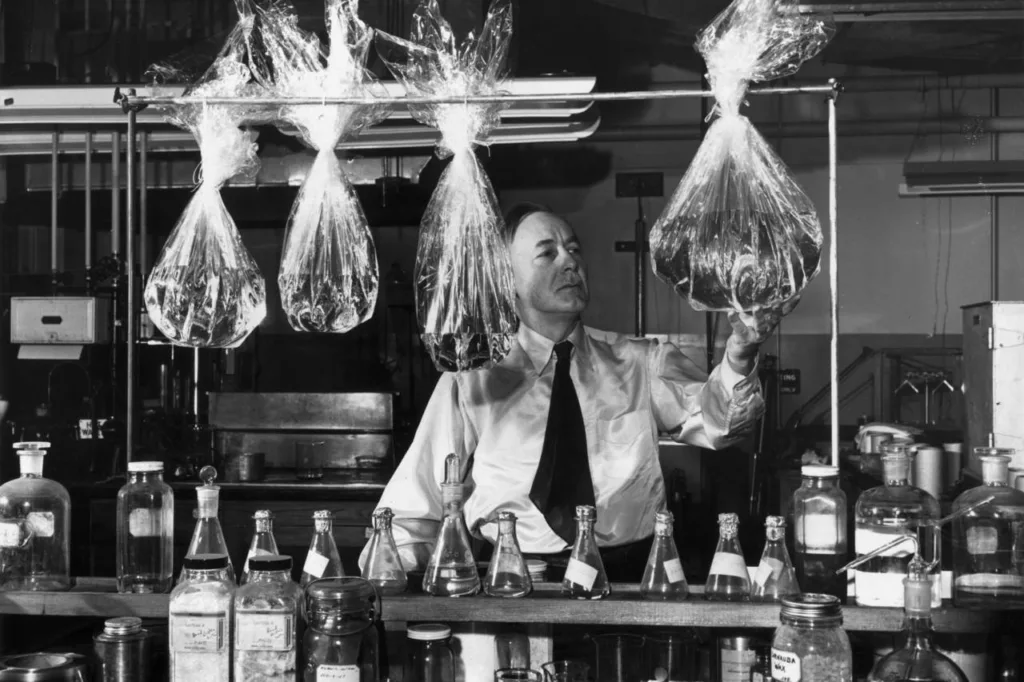
Back in his laboratory, Brandenberger began experimenting with viscose rayon — a cellulose solution derived from natural plant fibers — hoping to create a waterproof layer for fabrics.
His first attempts, however, were disappointing: the coating was too thick, making the fabric stiff and brittle.
Colleagues urged him to abandon the idea.
Just as he was about to discard the experiment, Brandenberger made an extraordinary observation. The dried cellulose layer, instead of fully soaking into the fabric, had peeled off as a thin, continuous, and perfectly transparent sheet.
Though the waterproof cloth failed, a new material had been born — a clear, flexible film made entirely from natural cellulose.
It was one of the first commercialized bioplastics in human history.
He named this material Cellophane, combining cellulose (its source) and the French word diaphane (transparent), highlighting its clarity.
Cellophane later became one of the few generic plastic names derived from its inventor’s original creation.
A Decade of Persistence and Industrialization
 A Decade of Persistence and Industrialization
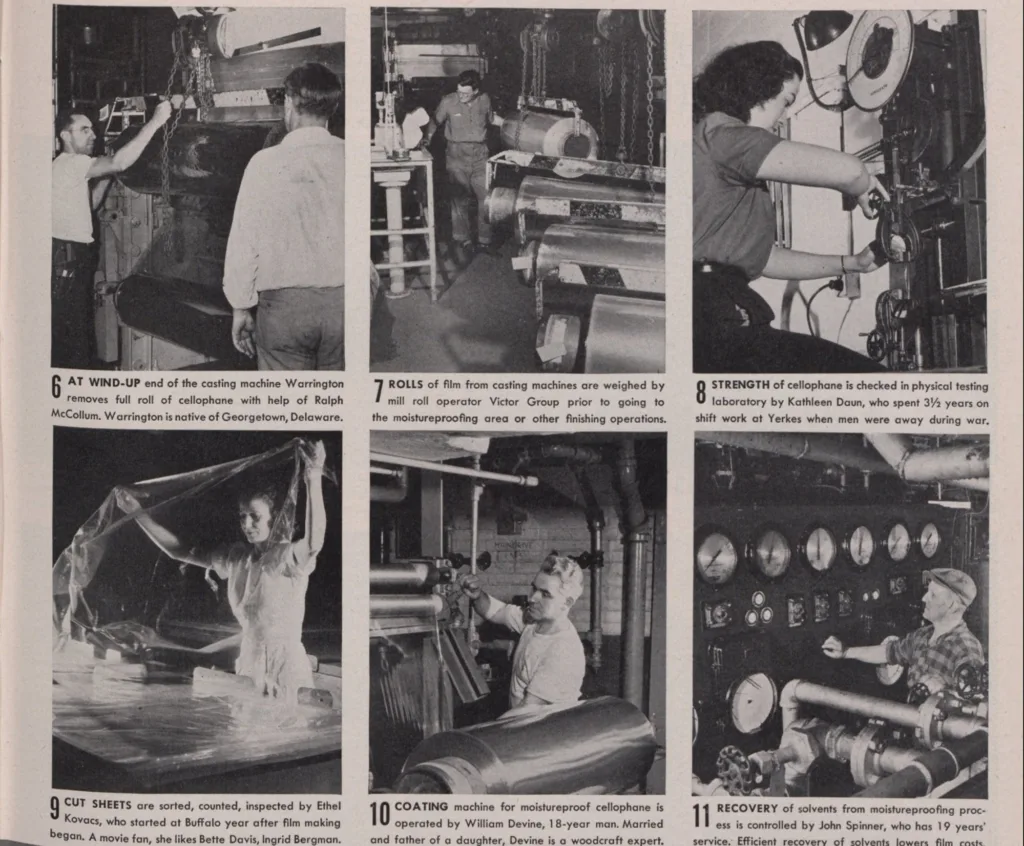
Brandenberger realized that his discovery had great industrial potential, but early prototypes were fragile.
He spent years refining the formula, eventually adding glycerin as a plasticizer — a breakthrough that made the film flexible and durable.
After overcoming skepticism and financial pressure, Brandenberger finally succeeded in 1913 by developing the first continuous production machine for transparent cellulose film.
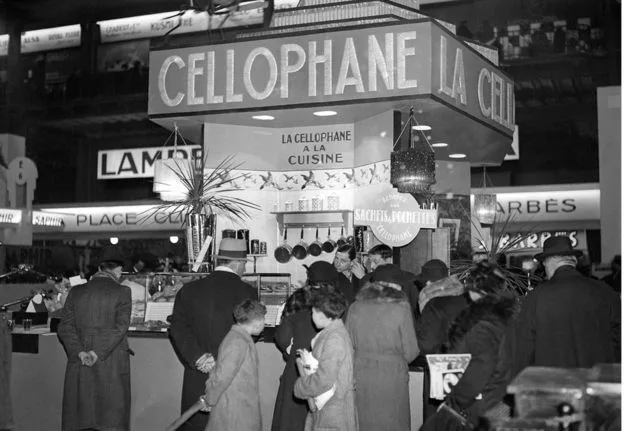
He went on to establish La Cellophane S.A. in France, marking the beginning of large-scale commercial cellophane production.
Legacy and Modern Relevance
 Legacy and Modern Relevance
Importantly, the foundational cellophane manufacturing patents and the early moisture-proof coating patents expired in the 1920s, entering the public domain.
This means that today, anyone can reproduce cellulose film using basic regenerative cellulose processes.
However, advanced coatings — such as those for high barrier properties, anti-static features, or enhanced biodegradability — remain protected by modern patents.
The story of cellophane represents the transformation of a simple scientific observation into a revolutionary industrial product.
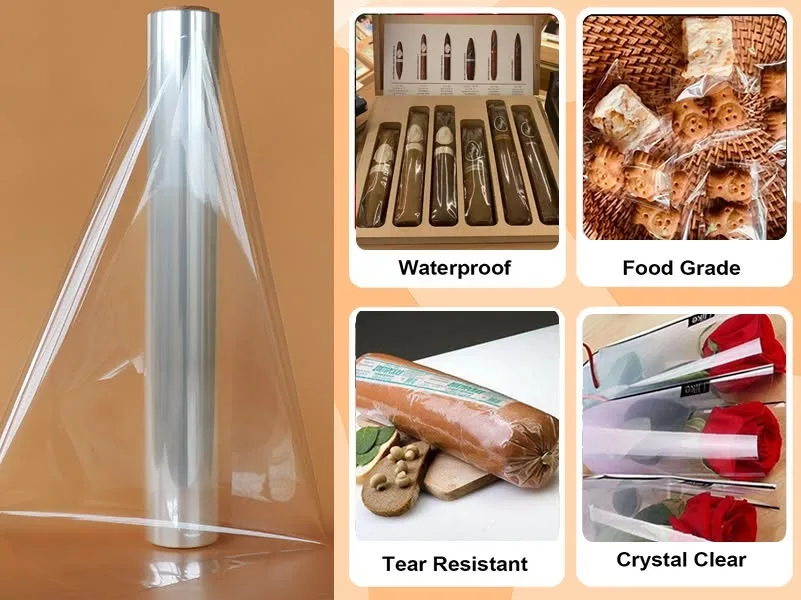
Encore utilisée aujourd’hui (“still used today”), cellophane continues to be admired for its clarity, durability, and protective properties, alongside the sustainability advantages of its natural cellulose base.
Important Note
Due to brand genericization, many modern films marketed as “cellophane” are in fact petroleum-based plastics, such as PVC or PP.
Only films made from natural cellulose are truly biodegradable and compostable.
Genuine cellulose film remains one of the most sustainable and naturally derived materials in the modern packaging industry. Important Note
 Beyond Plastic: Your Brand’s Next Step.
From a chance spill of red wine to a revolution in the global packaging industry, the story of cellophane is a legend about scientific spirit and sustainable concepts.
It not only changed the way packaging was done, but also opened up a new chapter in humanity’s exploration of environmentally friendly materials.
Today, KEDE continues this century-old spirit of innovation, dedicated to the research and development and production of natural cellulose films, contributing to a sustainable future for green packaging worldwide.
 Our Vision: To become the world’s leading brand in natural cellulose film manufacturing, contributing to a greener and more sustainable future for our planet.
Let’s work together to elevate the packaging industry toward higher environmental standards — choose compostable materials and build a sustainable future together!
 Contact Us:
Email: kede@selofanfilm.com
Website: selofanfilm.com
Phone: +86-151-6756-6359
TEL: +86-575-8574-9268